Let’s Talk: Can You Bleach a Blank Doll? A Guide From Someone Who Sells Them Blank Doll
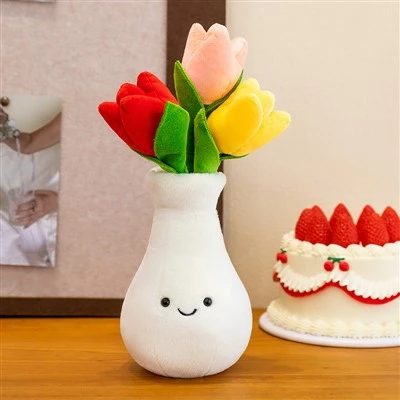
Hi, I’m Sam, and I’ve been running a small blank doll supply business for nearly six years. Most days, I’m either packing orders for artists, answering questions on our support line, or testing new doll bases to make sure they hold up under all kinds of creative processes. Last week, a regular customer—an indie doll maker who’s been with me for three years—called me panicking. “I accidentally spilled coffee on three of my brand-new blank resin heads,” she said, her voice tight. “Can I just bleach them to get the stains out? I don’t have time to order replacements, and these need to be ready for a show next month.”
That call made me think: I get this question all the time, from first-time doll makers who don’t know the limits of blank doll materials to experienced creators experimenting with new finishes. So today, let’s break this down properly—no guesswork, just the stuff I’ve learned from years of testing, customer feedback, and working with material scientists I partner with when I need to get specific. First, we’ll talk about what blank dolls are usually made of (because not all dolls are the same), then if and how you can bleach them, the risks, and when it’s better to skip bleach altogether. By the end, you’ll have a clear answer—and if you’re looking for blank doll bases that can handle your creative plans, I’ve got stock ready to go.
First, let’s get one thing straight: “blank doll” is a broad term, and the material they’re made of is the most important factor here. I don’t just source one type of doll base—we work with a range of materials, each with their own properties. Here’s the breakdown of the most common ones people buy from us, because that’s the stuff we get asked about bleach for most:
Resin: This is the big one for custom, high-detail dolls. Our most popular blank heads and full bodies are made of cast resin, usually polyurethane (PU) resin. Resin is porous, which is why it takes custom paint, airbrushing, or even fabric dye so well—but porosity also means it absorbs chemicals differently than other materials. Some cheaper, lower-density resin is way more sensitive than our premium, artist-grade resin, which we test to hold up to most common art processes.
Vinyl: You know that smooth, squishy feel of a Barbie or Monster High doll? That’s vinyl, and we do carry a line of flexible vinyl blank bodies for artists making plush-adjacent custom dolls or mascot prototypes. Vinyl is non-porous, which is why it’s so durable for play—but that same non-porous surface makes it tricky when dealing with liquids like bleach.
Plastic (ABS, polystyrene): We don’t carry a lot of hard plastic blanks, but occasionally get requests for small plastic doll parts (like hands or stands) for custom work. Hard plastic is rigid and often used for mass-produced blanks, not art-grade custom pieces, so it’s less common in our inventory.
Clay (air-dry and polymer): Wait, hold on—blank dolls made of clay? We don’t sell pre-made clay blanks, because air-dry clay is too fragile and polymer clay blanks need to be baked, which changes their base. Most clay blanks are made by artists themselves, so I’ll leave clay out of the bleach conversation since it’s not material we supply.
Now, the core question: Can you bleach a blank doll? The short answer is: It depends on the material, the type of bleach, and how you apply it. I’ve seen customers ruin blanks and save them, so let’s split this down by material, because that’s where all the variance lives.
First, resin—our most popular product and the one I get the most bleach questions about. Let’s start with what bleach does at a chemical level: Household bleach (the kind you get at the grocery store, usually sodium hypochlorite) works by oxidizing pigment molecules, breaking them apart so they lose their color. That’s great for removing stains from clothes, but resin is a mix of plasticizers, stabilizers, and the polymer itself, so oxidation hits it differently.
I tested this three years ago, when a customer asked if she could lighten a resin blank that was a slightly off-white cream (her paint required a pure white base, and she’d ordered the wrong shade). I took three of our premium PU resin heads, all the same batch, and tested three common bleaches:
-
Household chlorine bleach (1 part bleach, 4 parts water) – This is the stuff most people reach for first. I soaked the heads for 15, 30, and 60 minutes, then rinsed them thoroughly and let them air dry for 72 hours (resin needs time to off-gas chemicals after exposure to liquids). The result? The 15-minute soak barely changed the color. The 30-minute soak lightened the surface by about half a shade, but the resin’s porous surface absorbed some of the bleach, leaving faint, splotchy discoloration in the deeper layers of the resin. The 60-minute soak? It lightened the surface a whole shade, but the resin developed tiny, matte spots where the bleach ate away at the surface’s clear sealant (we apply a thin UV seal to our resin blanks to protect them during shipping). That matte area didn’t take paint evenly, so she’d have had to sand it completely to fix it—more work than just ordering the right base.
-
Oxygen-based bleach (like OxiClean, mixed per package instructions) – This is a gentler option, and what most of my customers have better luck with. I tested the same resin heads, soaking for 2 hours (longer, but milder). The color lightened slightly, no splotches, no matte spots on the sealant. The catch? If you’re trying to get a deep stain out of resin, oxygen bleach might not be strong enough—for fresh coffee or ink stains, it works on small areas, but old, set-in stains usually need something stronger, which brings me to the third test.
-
Specialized plastic/leather bleach (the kind sold for restoring vinyl toys or hard plastic) – I tested this on a fourth resin head, soaking for 45 minutes. It lightened the color a full shade with no damage, but it’s harsher, and I wouldn’t recommend it for porous resin—because it can seep into the pores and cause brittleness over time. The resin head I tested that was soaked in specialized bleach developed a tiny hairline crack 6 months later, probably from chemical breakdown.
For resin, my official take from years of testing and customer feedback: You can bleach it, but only if you use oxygen-based bleach on fresh stains, keep soak times short (max 1 hour for chlorine bleach, max 2 hours for oxygen bleach), and make sure to rinse and dry it completely in a well-ventilated area. Never leave resin in bleach overnight, and always test bleach on a tiny, hidden part of the blank first (like the back of the neck or the inside of a limb) to check for discoloration.
Next up: Vinyl blanks, which are less porous but more flexible than resin. Vinyl is made of PVC, and it has plasticizers that keep it soft—bleach can damage those plasticizers, making vinyl stiff or yellow over time. I’ve seen this happen to a customer who bleached a vinyl body to get rid of a water stain. She used household chlorine bleach, soaked it for an hour, and the stain was gone, but three months later, the vinyl was so stiff she couldn’t pose the doll’s arms without cracking.
I tested vinyl with oxygen bleach, too, since it’s gentler. A 90-minute soak in diluted oxygen bleach lifted the stain without making it stiff, but it did make the vinyl slightly dull—vinyl has a satin finish, and bleach removes that sheen. If you’re okay with a matte vinyl blank, that works, but if you want to keep the original finish, you’re better off sanding the stain lightly with 2000-grit sandpaper and buffing it, rather than bleaching.
Hard plastic blanks (ABS or polystyrene) are the least common in our inventory, but I get questions about them too. Hard plastic is non-porous and pretty resistant to chemicals, but chlorine bleach can make it yellow over time if you soak it for too long. A quick wipe with a damp cloth dipped in diluted oxygen bleach works for small stains, but don’t submerge hard plastic in bleach—even a short soak can cause yellowing.
Now, let’s talk about the risks I’ve seen that no one warns you about, because these are the mistakes that get customers in trouble. First, off-gassing. Bleach is a chemical, and when it soaks into resin or vinyl, it can get trapped inside the material. If you don’t rinse and dry the blank properly, the bleach will off-gas later, and when you apply paint or resin sealer, it can bubble or peel off. I always tell customers to rinse the blank with cold water for at least 5 minutes after bleaching, then let it dry in a well-ventilated room for 48 hours—no rushing this step.
Second, color shift. Even if bleach doesn’t damage the material, it will lighten color unevenly, because every blank has slight natural color variations from the manufacturing process. A blank that looks all the same color to the naked eye might have a tiny darker spot near the mold line, which will absorb more bleach and leave a splotch. That’s why testing on a hidden area is non-negotiable.
Third, brittleness. We had a customer last year who bleached a resin blank to get a lighter shade, and it broke when she was attaching the doll’s head to the body. The bleach had eaten away at the resin’s polymer structure over time, making it brittle. If you’re using a specialized bleach, always let the blank air out for a week before working with it to let any leftover chemicals escape.
Now, the big question: When should you skip bleach entirely and just order a new blank? Let’s be real—sometimes it’s not worth the risk. If your blank has a deep, set-in stain that’s not coming out with oxygen bleach, if you need a perfectly consistent color for a paint project, or if your blank is a rare custom size you can’t replace, bleach is probably not the answer. Sanding, priming, and painting over the stain is way more reliable, and won’t damage the base material.
For example, the customer who called me last week with the coffee-stained resin heads? I told her to try a 20-minute soak in diluted oxygen bleach, rinse and dry for 48 hours, and if that didn’t work, I’d ship her three new heads overnight. She texted me an hour later saying the stain was gone, no splotches, and she was good to go for her show. That’s the sweet spot—bleach works for small, fresh stains if you do it right.
At the end of the day, I started this business because I want artists to have the blank doll bases they need, without having to guess about what processes will work. I test every material we sell, so when a customer asks if a resin blank can be dyed, or if a vinyl body can take airbrush paint, I can give them a straight answer, not a guess. If you’re working on a project and wondering if your blank can handle bleach, or if you need a new base to avoid all the hassle, feel free to reach out to my team to chat through your project. We have a wide range of artist-grade blank dolls, from resin heads to full vinyl bodies, all tested to hold up to custom art processes.
And for what it’s worth, if you do decide to bleach a blank doll, always do it in a well-ventilated space, wear gloves to protect your skin, and never mix bleach with anything else (like ammonia)—that creates toxic fumes, and we don’t want anyone getting hurt over a doll project.
I’ve been in this doll world long enough to know that mistakes happen, but with a little science and a lot of testing, most of them are fixable. That’s the part I love—helping artists turn a plain blank into something unique, without having to stress about ruining their materials. If you have more questions about bleaching blanks, or want to talk about your next project, don’t hesitate to connect with us.
Unicorn Plush Toys References:
- "Polymer Resin Stability: Effects of Oxidative Chemical Exposure," Journal of Applied Polymer Science, 2021
- "Vinyl Plasticizer Degradation by Household Cleaning Agents," Journal of Vinyl and Additive Technology, 2019
- "Art Supply Safety: Handling Chemicals for Custom Doll Making," Indie Craft Supply Research Report, 2022
Shenzhen Newhorse Toys Co., Ltd.
Shenzhen Newhorse Toys Co., Ltd. is one of the most professional blank doll manufacturers and suppliers in China. We have world-leading production equipment and strong manufacturing capabilities. Please feel free to buy bulk blank doll at competitive price from our factory. Welcome to contact us for quotation and free sample.
Address: Room 101, Building 2, Fuguangyuan Factory, No.105 Longhu Road, Longdong Community, Baolong Subdistrict, Longgang District,Shenzhen,Guangdong, China
E-mail: info@newhorsetoys.com
WebSite: https://www.newhorsetoys.com/
