If you’ve ever walked past a construction site where steel frames go up, or handled heavy industrial equipment that keeps assembly lines running, you’ve likely encountered carbon steel rod—even if you didn’t know it. As a carbon steel bar and rod supplier, I get asked this question all the time: “What makes ASTM A572 rod different from every other type out there?” It’s not just a number on a spec sheet; it’s the backbone of so many projects that keep our infrastructure and industries moving. Today, I’m breaking down what ASTM A572 carbon steel rod actually is, why it matters, and why it’s the go-to choice for so many of our clients. Carbon Steel Bar And Rod
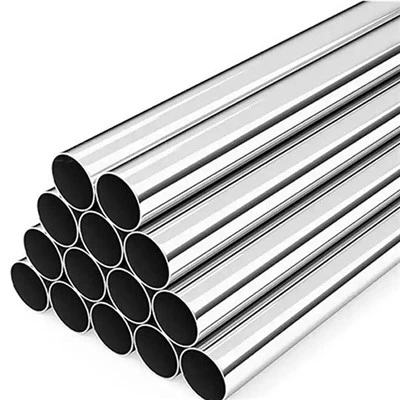
First, let’s start with the basics. ASTM stands for American Society for Testing and Materials, a global organization that sets voluntary standards for materials, products, and services. These standards aren’t arbitrary—they’re developed by engineers, manufacturers, and end-users to make sure every batch of steel is consistent, reliable, and fit for purpose. ASTM A572 is a specific specification for high-strength low-alloy (HSLA) carbon steel plate, shapes, and rods. Wait, “high-strength low-alloy” might sound like a fancy term, but all it means is this steel gets extra strength from small amounts of alloying elements—things like niobium, vanadium, or columbium—instead of just being pure iron and carbon. That’s the secret sauce of A572: it’s lighter and stronger than standard carbon steel like A36, which makes it perfect for applications where you need performance without extra weight.
I’ve been supplying carbon steel rod for over 12 years now, and one of the first things I tell new clients is that A572 comes in five different grades: 42, 50, 55, 60, and 65. The number refers to the minimum yield strength in thousands of pounds per square inch (ksi). So Grade 42 has a minimum yield strength of 42 ksi, while Grade 65 jumps to 65 ksi. That grade selection isn’t a guessing game—each one is tailored to a specific job. For example, a structural engineer building a small warehouse might opt for Grade 50 because it’s cost-effective and strong enough to hold up walls and a roof, while a bridge engineer might go for Grade 65 to handle the heavy loads of trucks and traffic without using extra, bulky steel.
Now, let’s talk about the physical properties that make A572 rod stand out. Unlike some steels that can get brittle in cold temperatures, A572 has excellent toughness and ductility, which means it can bend or flex a little without snapping. That’s critical for outdoor applications, where steel has to withstand everything from freezing winters to hot summers. It also has good weldability, which is huge for construction and fabrication. I’ve had clients come to us frustrated with other steel rods that cracked when they tried to weld them on-site—A572 avoids that because its alloy content is balanced to melt and fuse cleanly without losing strength. Of course, it’s still carbon steel, so it will rust if left uncoated, but that’s a manageable issue: clients usually add a layer of paint, galvanize it, or use it in applications where it’s protected from moisture.
As a supplier, I see a lot of confusion between A572 and other popular steel specs, like A36. Let’s clear that up: A36 is a mild carbon steel with a yield strength of 36 ksi, so A572 is significantly stronger. If you were to compare a 1-inch diameter rod of A36 vs. A572 Grade 50, the A572 rod can handle almost 40% more stress before it yields, meaning it can support heavier loads without bending or breaking. That difference translates directly to cost and design: using A572 lets engineers use smaller, lighter rods for the same job, cutting down on material and transportation costs. For example, a construction company building a multi-story apartment building might use A572 rod for rebar or structural reinforcement, because they don’t want extra heavy steel adding to the foundation’s load.
Now, where is ASTM A572 carbon steel rod actually used? Let’s get specific, because this isn’t just abstract steel—its applications are all around us. First and foremost, structural engineering: it’s used in building frames, bridge components, and the support beams for skyscrapers. I recently supplied a batch of Grade 50 A572 rod to a company building a pedestrian bridge in a small town; they chose it because it needed to be strong enough to hold foot traffic and park equipment, but light enough to transport without cranes requiring extra permits. Beyond construction, A572 rod is used in machinery and equipment manufacturing: parts for bulldozers, cranes, and conveyor systems. Those machines operate under constant stress, so they need a steel that won’t deform over time. I also supply A572 rod for automotive parts, like axles and suspension components, because its strength-to-weight ratio helps improve fuel efficiency without sacrificing safety.
A common question I get from new clients is: “Is ASTM A572 rod suitable for my specific project?” The answer depends on two things: your required strength and your environmental conditions. If you’re working on a project that needs a yield strength higher than 42 ksi, and you need weldability and toughness, A572 is almost always the right choice. But if you need ultra-high strength for something like a pressure vessel, you might need a different spec, like A514. And if you’re working on a project where corrosion resistance is the top priority—like a coastal pier—you might pair A572 with a coating, since the steel itself isn’t inherently stainless.
As a supplier, I also make sure my clients understand how to verify that the A572 rod they’re getting is legitimate. There are a lot of counterfeit or mislabeled steel products out there, so it’s important to ask for mill test reports (MTRs) with every batch. An MTR is a document from the steel mill that confirms the material meets all ASTM A572 requirements, including yield strength, tensile strength, and chemical composition. I never send a client a batch without an MTR— it’s how we build trust, and it’s how you make sure you’re not wasting money on subpar steel. I once had a client who bought cheap, untested rod from another supplier for a small construction job, and it cracked when they tried to bend it. They came to me afterward, and I explained that without an MTR, they had no way of knowing it wasn’t actually A572. Ever since then, all my clients request MTRs, and I always provide them without hesitation.
Another point I like to highlight: ASTM A572 carbon steel rod is incredibly versatile, which is why it’s been a staple in the steel industry for decades. Unlike specialized steels that are only good for one job, A572 can be cut, bent, machined, and welded to fit almost any design. Whether you need a 6-inch diameter rod for a large bridge, or a 1/4-inch rod for a small machinery part, A572 is available in a wide range of sizes. That versatility makes it a favorite among fabricators, contractors, and engineers alike.
Now, let’s talk about why we chose to carry ASTM A572 as our core product as a carbon steel bar and rod supplier. Early in my career, I saw how many projects failed because of low-quality steel. I wanted to offer a product that was reliable, meets all industry standards, and is cost-effective for small businesses and large corporations alike. A572 checks all those boxes: it’s stronger than standard steel, easier to work with, and priced more reasonably than higher-strength specialty steels. Over the years, I’ve built relationships with mills that produce consistent A572 rod, so I can guarantee every batch we send is up to spec.
I also work closely with clients to help them choose the right grade of A572 for their project. A lot of first-time buyers don’t know that Grade 50 is the most widely used—about 80% of the A572 rod we supply is Grade 50. It’s the sweet spot for strength and cost, making it perfect for most construction and general fabrication jobs. But for jobs that need extra strength, like heavy industrial machinery, we recommend Grade 65, which offers the highest yield strength in the A572 lineup.
I should also mention some common misconceptions about A572. One I hear all the time is that “all high-strength steel is the same.” That’s not true. A572 is a HSLA steel, which means it’s processed with controlled rolling or controlled cooling to give it its strength. Some other high-strength steels are heat-treated, which makes them more brittle, but A572 maintains its toughness, which is a big advantage for outdoor applications. Another misconception is that A572 is too expensive for small projects. In reality, when you calculate the cost per unit of strength, A572 is often cheaper than using larger, heavier pieces of A36 steel. For example, a 2-inch A572 Grade 50 rod can support the same load as a 2.5-inch A36 rod, so you’re using less steel, which cuts down on material costs.
As someone who’s been in this business for years, I’ve seen projects where choosing the right steel made all the difference. Last year, a local company came to me with a project to build a line of farm equipment. They had been using a different steel rod that kept bending under the weight of heavy tools. We supplied them with A572 Grade 50 rod, and after testing, they found it was 30% stronger than the steel they were using, so they could use a smaller diameter rod, which saved them money on material and made their equipment lighter and easier to operate. That’s the kind of impact A572 has—it’s not just a steel product; it’s a solution.
If you’re working on a construction project, building machinery, or any job that requires reliable, high-strength carbon steel rod, ASTM A572 is almost certainly the right choice. But I know that every project is unique, so I’m here to help you figure out exactly what you need. Whether you’re a small contractor ordering a few rods for a home renovation, or a large engineering firm needing bulk orders for a skyscraper, we can supply A572 rod in the size, grade, and quantity you need, with the mill test reports you can trust. We also offer cutting, bending, and fabrication services to make sure the rod is ready to use as soon as it arrives at your worksite.

I’ve been in this business long enough to know that finding a reliable carbon steel bar and rod supplier isn’t easy. There are a lot of companies out there that cut corners on quality, but we’ve built our reputation on consistency, transparency, and customer service. We take the time to answer questions, explain specs, and make sure our clients get the right product for their project. So if you’re ready to source ASTM A572 carbon steel rod, or just have questions about grades, sizes, or applications, don’t hesitate to reach out and connect with our team. We’re here to help you get the steel you need, on time, and at a fair price.
Stainless Steel Coil References:
- American Society for Testing and Materials. Standard Specification for High-Strength Low-Alloy Columbium-Vanadium Structural Steel. ASTM A572/A572M-21. 2021.
- Metals Handbook: Properties and Selection: Irons, Steels, and High-Performance Alloys. 10th ed. Vol. 1. ASM International, 1990.
- Construction Industry Institute. Design and Construction Guidelines for High-Strength Steel Applications. University of Texas at Austin, 2018.
Jiangsu Cunrui Metal Products Co., Ltd.
Jiangsu Cunrui Metal Products Co., Ltd. is one of the most professional carbon steel bar and rod manufacturers and suppliers in China, specialized in providing customized products made in China. We warmly welcome you to buy cheap carbon steel bar and rod for sale here and get free sample from our factory. For price consultation, contact us.
Address: No.289 Fangcheng Road, Xinwu District, Wuxi City, Jiangsu Province, China
E-mail: jonny@cunruimetal.com
WebSite: https://www.cunrui-steels.com/
