If you’ve ever worked with water wells—whether you’re a small-scale farmer, a well driller, a property manager, or even just a homeowner who relies on a private well—you’ve probably heard the terms “water well depth meter” and “water level indicator” thrown around. For the longest time, I used to think they were basically the same thing, just two fancy names for a tool that checks how deep the water is in a well. But when I started my work as a supplier of water well depth meters, I quickly realized how wrong that was. Mixing these two up isn’t just a tiny mistake—it can lead to wasted time, wrong measurements, and even expensive repairs for your well. Let me break down what actually sets them apart, why it matters, and how picking the right one for your job makes all the difference. Water Well Depth Meter
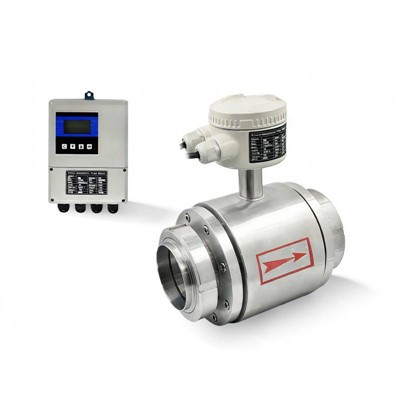
First, let’s get super clear on what each tool does, starting with the one I know best: a water well depth meter. If you’re running a drill rig, installing a new well, or doing maintenance on an existing one, this is your go-to. A depth meter isn’t just a simple stick or a string with a weight— it’s a precision tool made to measure the total depth of the well bore, right down to the bottom. Wait, let’s make that specific. Let’s say you drill a well to 500 feet, but when you lower a standard depth meter, it tells you exactly that: 500 feet from the top of the well (the surface, where the casing starts) to the very bottom, where the drill cuttings or the pump’s foot might sit. Most good depth meters I supply use a stainless steel tape, not a flimsy string, printed with precise millimeters or feet, and a spring-loaded reel so it doesn’t tangle mid-measurement. Some even have a built-in sensor that beeps when it hits the bottom, so you don’t have to squint at tiny numbers while holding a heavy reel.
The key here is that a depth meter measures total depth. That’s not just how far the water is—it’s how deep the entire well goes. When you drill a new well, you need to confirm you hit the aquifer, right? If you drill 400 feet and stop, but the water table is at 380, you might think you have enough water, but maybe the rock below 400 has more water-bearing layers, or you didn’t line the casing correctly. A depth meter will tell you exactly how far down you’ve gone, so you can adjust before you seal the well up. For drillers, this is non-negotiable. We’ve had customers come to us in a panic because they tried to use a cheap level meter on a drill job, and it only told them the water was at 390 feet, not that they needed to go another 10 feet to a better aquifer. That mistake cost them an extra drilling run and a week of delays—definitely not something you want to deal with.
Now, what about a water level indicator? That’s the tool most people confuse with a depth meter, and it makes sense because its name has “level” in it, so it sounds related. But a water level indicator’s whole job is to measure how high the water is sitting above the bottom of the well, not the total depth of the well. Let’s put that in simple terms: if your well is 500 feet deep, and the water is at 380 feet, a level meter will tell you 120 feet (the difference between 500 and 380, or the distance from the top of the well to the water surface). It doesn’t care about the 120 feet below the water—that’s the static water level, how much water is stored in the well right now.
Level meters are way simpler than depth meters, mostly because they don’t need to measure total depth. A basic level meter is just a string with a floating weight or a sensor at the end that’s sensitive to water. When you lower it down, it stops beeping or clicks when it touches the water, so you mark where the string meets the top of the well, and that’s your level. Some are even battery-powered with digital displays, which is great for quick checks—like a homeowner who wants to make sure their well’s water level didn’t drop during a dry spell. But here’s the catch: a level meter can’t tell you how deep the well actually is. If your well is 500 feet, but the level meter only has 150 feet of string, you can’t measure past that. Or if you’re drilling a well, a level meter won’t tell you if you’re 10 feet away from a better aquifer—it’ll only tell you the water level at whatever depth you stop at.
Let’s talk about another big difference: accuracy and use cases. Depth meters are built for precision and heavy-duty use, because they’re used in demanding environments like drill sites, where you’re dealing with dirt, mud, and constant movement. My depth meters, for example, have a waterproof casing, corrosion-resistant tape, and can measure up to 1,000 feet (some even 2,000) with an accuracy of ±0.1 feet. That’s important because if you’re drilling, a 1-foot error might not seem like a lot, but if you’re paying drillers by the foot, that’s $100+ you’re wasting on unnecessary drilling. On the flip side, level meters are accurate too, but their accuracy is meant for shorter, non-drilling jobs. A good level meter will be accurate within 0.5 feet, but it’s not designed to handle being dragged over rocks or splashed with mud all day.
Another thing: what each tool measures, and what it doesn’t. Let’s use a real example from a customer of mine—small-town farmer named Joe. Last summer, Joe came to me because he’d been having problems with his well pump. His pump had been running constantly, and he thought the water level was dropping, so he grabbed a level meter to check. The level meter said the water was at 370 feet, so he figured he was fine, and replaced the pump. But two weeks later, the pump burned out. He came to me after, and we used a depth meter to check the total well depth. Turns out his well was only 385 feet deep—not 500 feet like he thought, which is what he had told the driller when he had it installed. The level meter only told him the water was 15 feet below the top, but the depth meter told us the actual total depth, so we could see the pump was sitting too close to the bottom of the well, in the silt and sediment that builds up there. That silt was clogging the pump, making it work too hard until it burned out. If he’d used a depth meter first, he would have known the real depth, and avoided the whole pump replacement hassle. That’s the kind of mistake that happens when you mix these two tools up.
Wait, let’s also clear up a myth I hear all the time: “A level meter is just a cheaper version of a depth meter.” No, not at all. A cheap level meter might be less expensive upfront, but if you need total depth measurements, it’s useless. I’ve seen customers buy a $20 level meter for a drilling job, and they end up having to buy a depth meter anyway because the level meter can’t measure past 200 feet. The total cost ends up being way more than if they’d just gotten the right tool first. Depth meters are an investment, sure, but for people who work with wells every day, it’s a necessary one. A driller can’t make money if they’re guessing at well depth, and a farmer can’t afford to have a pump go out because they got a bad measurement.
Let’s break down the key differences in a way that’s easy to remember, instead of just throwing a bunch of specs at you. First, purpose: depth meter = total well depth, for drilling, maintenance, and verifying well construction. Level meter = static water level, for quick checks, monitoring water levels over time, or occasional level checks. Second, design: depth meter has a long, precise tape, durable reel, and is built for heavy-duty, outdoor use. Level meter has a shorter string, simple sensor, and is lighter for handheld, quick jobs. Third, accuracy needs: depth meter needs high accuracy (less than a foot) for drilling, where errors add up fast. Level meter needs moderate accuracy (within a foot or two) for everyday checks, which is why they’re not built for long, precise measurements. Fourth, what they can’t do: a level meter can’t measure total well depth, so if you’re drilling, you’re flying blind. A depth meter can measure water level, but it’s overkill for a homeowner who just wants to check their level once a year—you don’t need a 1,000-foot precision reel to know your water is at 15 feet, a level meter will do that perfectly.
I get why it’s confusing, too. The terms are similar, and a lot of people who sell these tools don’t explain the difference clearly. I’ve had people call me looking for a “water level meter” for a drilling job, and they’re shocked when I tell them they need a depth meter. It’s not that the level meter is bad—it’s just the wrong tool for the job. For example, if you’re a homeowner who’s worried about drought and wants to check your well’s water level every few months, a level meter is exactly what you need. It’s cheap, easy to use, no training required. But if you’re a well driller, or a construction company installing a new water source, or you’re doing major well repairs, a depth meter is non-negotiable.
Another example: well abandonment. If you have an old well you’re sealing, you need to know its total depth, right? To make sure you seal it properly from top to bottom, you need to measure how deep it goes. A level meter can’t tell you that—only a depth meter can. We worked with a local government last year that was sealing 10 old farm wells, and they tried using level meters at first. They almost sealed one well too short, because the level meter couldn’t reach the bottom. When they switched to our depth meters, they got exact measurements for all 10 wells, and the job got done on time, no mistakes. That’s the kind of difference that makes a depth meter worth the cost.
Let’s talk about some common mistakes people make, just so you can avoid them. Mistake #1: Using a level meter for drilling. We see this all the time, and it almost always leads to extra work. Mistake #2: Using a depth meter for quick level checks. It works, but it’s like using a sledgehammer to hang a picture—overkill, and heavier than you need. Mistake #3: Assuming they’re interchangeable. They’re not, and if you do, you could end up with a wrong measurement that costs you hundreds or thousands of dollars.
Now, here’s the thing: if you’re reading this, and you’re not sure which one you need, that’s totally fine. A lot of people are. If you’re a driller, a well contractor, or someone who works on wells regularly, you probably need a water well depth meter. If you’re a homeowner, a small farmer who just needs to check their water level occasionally, a level meter is your best bet. But if you’re not sure, reach out, and I can help you figure out what works for your specific job. I don’t push the most expensive thing— I push the right tool for what you need.
Wait, let’s also mention a couple of other small but important details. A lot of depth meters have a counter, so you don’t have to hold a tape every time you measure. You can lower it, reel it up, and the counter will tell you exactly the depth without squinting. That’s a huge help on busy drill sites, where you’re doing measurements all day. Level meters usually don’t have that—they’re just a string with a mark, so you have to measure it manually every time, which is slower. Also, depth meters are often made to handle extreme conditions: cold weather, mud, even being dropped a few feet, which is something you’ll deal with on a job site. Level meters are more for indoor or calm conditions, so they might break if you drop them on a concrete floor.
I’ve been in this business for a few years now, and the number one question I get is the difference between these two tools. It’s not a complicated difference, but it’s a critical one. I’ve seen customers who saved $50 on a level meter, only to spend $500 more on drilling repairs. I’ve seen drillers who switched from guessing well depth to using a depth meter, and cut their drilling time by 10% because they didn’t have to redo parts of the well. It all comes down to using the right tool for the right job.
If you’re in the market for either of these, don’t just look for the cheapest one. Think about what you’re going to use it for. If you’re drilling, installing, or maintaining a well’s total structure, you need a depth meter. If you’re just monitoring water levels, a level meter will do. And if you’re still not sure what fits your needs, don’t hesitate to get in touch. Whether you need a single depth meter for a small job, or a bulk order for a drilling company, I’m here to help you get the right tool for the job, no fluff, no pushy sales talk.
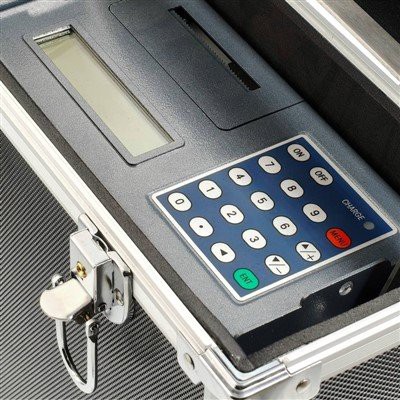
Don’t let mixing up these two simple tools cost you time or money. Get clear on what each does, pick the right one, and you’ll save yourself a lot of hassle down the line.
Level Meter References:
- U.S. Environmental Protection Agency. (2021). Private Drinking Water Wells: Operation and Maintenance.
- Ground Water Protection Council. (2019). Well Driller’s Field Guide: Measurement and Inspection Standards.
- International Association of Plumbing and Mechanical Officials. (2020). Water Well Equipment Specifications.
- American Ground Water Trust. (2022). Homeowner’s Guide to Well Water Level Monitoring.
Dalian Yheng Technology Co., Ltd.
Dalian Yheng Technology Co., Ltd. is one of the leading water well depth meter manufacturers and suppliers in China, also supports customized service. We warmly welcome you to buy high quality water well depth meter in stock here from our factory. Contact us for more details.
Address: F1605, NO.10 Huoju road, High-tech Industrial Zone, Dalian, China
E-mail: admin@dlyheng.com
WebSite: https://www.yhengphmeter.com/
