If you’re someone who’s spent any time in industrial piping, water treatment, manufacturing, or even food and beverage processing, you’ve probably heard the terms “carbon steel ball valves” and “stainless steel ball valves” thrown around. You might’ve even stared at a bin of valves in a warehouse, holding two identical-looking pieces, and wondered: what’s the actual difference between these two? As a supplier of carbon steel ball valves, I talk to this question every single day—usually from engineers troubleshooting a failing system, plant managers looking to cut costs, or maintenance crews tired of replacing parts too often. Let’s break this down like I would with a customer leaning against my warehouse counter, no jargon overload, just real-world facts. Carbon Steel Ball Valves
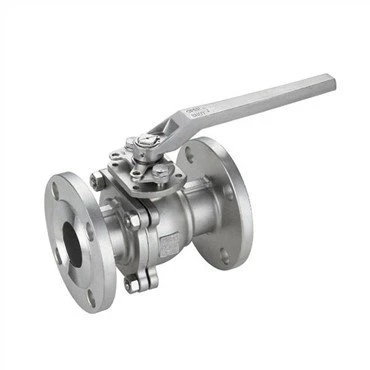
First, let’s start with the basics: both are ball valves, which means they use a hollow, pivoting ball to control flow—turn the handle 90 degrees, the ball’s hole lines up with the pipe for full flow, and turn it back, it blocks flow entirely. That core function is the same. Where they diverge is in their raw material, and that choice makes all the difference in where each works best.
Let’s dive into carbon steel first, since that’s what I specialize in. Carbon steel is an alloy of iron and carbon—usually less than 2% carbon, per industry standards, plus small traces of manganese, silicon, and sometimes copper. The key here is that carbon is what gives carbon steel its strength, hardness, and durability at a fraction of the cost of stainless steel. My carbon steel ball valves are built for applications where strength under pressure is non-negotiable, and corrosion resistance isn’t the top priority. Think things like oil and gas pipelines, chemical processing plants that handle non-corrosive or mildly corrosive fluids (like crude oil, natural gas, or certain industrial solvents), mining operations, and water distribution systems for municipal or industrial use.
Wait, I know what you’re thinking—if carbon steel is cheaper, why isn’t it used everywhere? That’s exactly the catch: carbon steel rusts. Fast. When exposed to moisture, oxygen, or even certain chemicals like acids or salt, the iron in carbon steel reacts to form iron oxide, better known as rust. Rust isn’t just an eyesore; it eats away at the metal, weakens it over time, and can even contaminate the fluid flowing through the pipe. That means if you’re working in a food processing plant where food safety is critical, or a pharmaceutical facility where sterility is non-negotiable, carbon steel ball valves would be a bad fit. Even outdoor systems exposed to rain, humidity, or salt air (like coastal water piping) would need something that can stand up to rust better. Which brings us to stainless steel.
Stainless steel is an alloy that’s made up of iron, carbon, and at least 10.5% chromium. That chromium is the game-changer. When stainless steel is exposed to oxygen, the chromium reacts to form a thin, invisible layer of chromium oxide on the metal’s surface. This layer acts like a shield—it self-heals if it’s scratched or damaged, and it keeps moisture and corrosive agents from reaching the iron underneath. That’s why stainless steel ball valves are the go-to for industries where corrosion resistance is king: food and beverage, pharmaceuticals, marine equipment, medical devices, and any system that handles highly corrosive fluids like acids, brines, or cleaning chemicals.
But here’s where the real trade-off comes in, and why my carbon steel ball valves are still the better choice for many jobs: cost. Stainless steel is far more expensive than carbon steel—sometimes two to three times more, depending on the grade. It’s also less strong for its weight, and harder to machine, which adds to the price. If you’re working on a large-scale pipeline project with hundreds of valves, that cost difference adds up fast. Let’s do a quick example: a 2-inch carbon steel ball valve might run $150, while the same size in 316 stainless steel could be $400. For a 100-valve project, that’s a $25,000 difference—enough to cover extra materials, labor, or even a contingency fund for unexpected issues.
Durability in different environments is another big difference. Carbon steel excels at high-pressure and high-temperature applications. Most carbon steel ball valves I supply are rated for temperatures up to 800°F (427°C) and pressures up to 1500 PSI (Class 1500), which makes them perfect for oil and gas extraction, steam lines, and heavy industrial machinery. Stainless steel can handle high temperatures too, but some grades start to lose strength above 1500°F (815°C), and at high pressures, it’s actually less rigid than carbon steel. That means if you’re operating in a high-stress, high-heat environment, carbon steel will hold up better without warping or failing, and it will last just as long if you’re careful about preventing rust (like using internal coatings, regular maintenance, or limiting exposure to moisture).
Speaking of maintenance, that’s another key distinction. Carbon steel valves require more regular upkeep to prevent rust. For systems where they’re exposed to moisture, you’ll need to inspect them quarterly, apply anti-corrosive coatings every few years, and flush lines regularly to remove trapped water. If that maintenance schedule is too much for your plant, stainless steel might be worth the extra cost. But if you can stick to a routine, carbon steel can last just as long as stainless steel for non-corrosive applications—sometimes 10 to 15 years, even in heavy use. Stainless steel, on the other hand, requires very little maintenance beyond occasional cleaning, which is a huge plus for industries that run 24/7 and can’t afford downtime.
Let’s talk about contamination too, because that’s a make-or-break factor for some sectors. Carbon steel, when it rusts, can flake small iron particles into the fluid flowing through the valve. If that fluid is going into food, medicine, or even clean water, those particles are a health hazard. Stainless steel, especially grades like 304 or 316, is non-porous and won’t flake or leach particles, which is why it’s the standard for sanitary applications. That’s not to say carbon steel is unsafe for industrial use—just that it’s not suited for anything that comes into direct contact with consumables.
Wait, I should also mention grades, because not all carbon steel or stainless steel is the same. Carbon steel has a few common grades: A105 and A216 WCB are the most popular for ball valves. A105 is for forging, which gives it extra strength, good for high-pressure applications. A216 WCB is cast carbon steel, cheaper for large valves. Stainless steel has 304 and 316, which are the workhorses. 304 is good for general corrosion resistance, while 316 has molybdenum added, which makes it resistant to saltwater and harsh chemicals, perfect for marine or chemical processing. The grade you choose changes everything—so it’s not just “carbon vs stainless,” it’s which grade of each fits your needs.
I’ve seen a lot of customers make the mistake of choosing stainless steel “just to be safe” when carbon steel would work perfectly. For example, a small manufacturing plant I worked with last year was replacing 50 valves in their compressed air line. They initially ordered stainless steel because they thought it was higher quality, but after I pointed out that the line only ran dry, oil-free air, the stainless steel was costing them $12,000 extra, and the carbon steel would do the same job. They switched, saved the money, and haven’t had any issues in two years. On the flip side, another customer tried to use carbon steel valves in their brewery’s cleaning line, which uses caustic soda. The valves rusted out in six months, costing them downtime and replacement costs that far exceeded the savings from buying carbon steel. That’s where the knowledge of what each valve is good at pays off.
So to sum up, here’s the quick cheat sheet: Carbon steel ball valves are stronger, cheaper, ideal for high-pressure, high-temperature, non-corrosive environments like oil and gas, mining, and industrial steam lines. They need regular maintenance to prevent rust, and they’re not for sanitary or highly corrosive applications. Stainless steel ball valves are more corrosion-resistant, low-maintenance, perfect for food, pharmaceuticals, marine, and chemical processing, but they’re more expensive, less strong for extreme pressure and heat, and overkill for many industrial jobs.
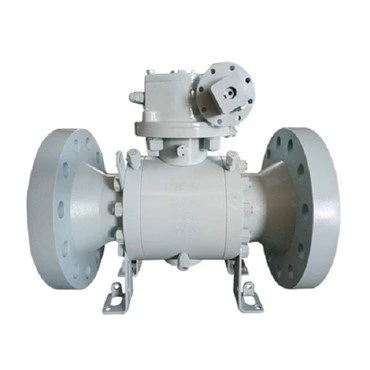
At the end of the day, the choice comes down to three things: your budget, the conditions the valve will be in, and what you’re moving through the pipe. If you’re still not sure which is right for your project—whether you’re building a new pipeline, replacing worn parts, or upgrading your system—don’t guess. I’ve been in this industry for over a decade, and I can help you figure out what will work best, without pushing you to spend more than you need to or settle for something that will fail. Reach out to discuss your requirements, and let’s find the right carbon steel ball valve (or any valve) that fits your needs.
Carbon Steel Ball Valves References
- ASME B16.34, Valves – Flanged, Threaded, and Welding End, American Society of Mechanical Engineers, 2021
- Steel alloys: An overview of types and properties, World Steel Association, 2022
- Ball valve design and application guidelines, American Water Works Association, 2020
- Corrosion resistance of stainless steels, International Stainless Steel Forum, 2021
- Carbon steel for industrial piping, National Association of Corrosion Engineers, 2019
Zhejiang Bergamo Technology Co., Ltd.
As one of the most professional carbon steel ball valves manufacturers and suppliers in China, our products have good reputation in the market. Please feel free to wholesale durable carbon steel ball valves for sale here from our factory. Quality products and reasonable price are available.
Address: No.5 workshop, No.807 Jiulong Street, Bihu Town, Liandu District, Lishui, Zhejiang 323000 People’s Republic of China
E-mail: sales@bjm-valve.com
WebSite: https://www.bjmvalve.com/
