Hey everyone, I’m Jake, and for the last 8 years, I’ve been selling expanded metal mesh – so let’s cut to the chase: if you’re here because you’re trying to figure out if this stuff actually offers privacy, you’re not alone. I get at least 10 DMs and half a dozen calls a week from architects, homeowners, café owners, even small business owners asking the exact same thing. And it’s not a yes/no answer – it’s way more nuanced than that. Let me break it down like I would with a regular customer who’s standing in my warehouse holding a sample. Expanded Metal Mesh
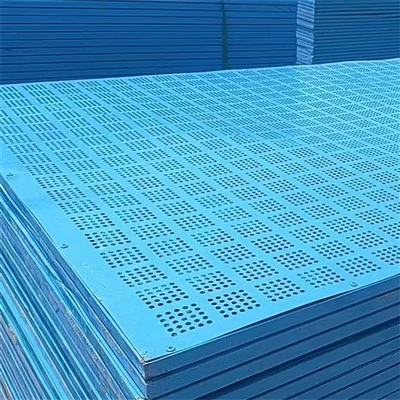
First, let’s start with what expanded metal mesh even is, ’cause a lot of people mix it up with welded wire mesh or chain link, and they’re totally different. Expanded metal is made by taking a solid sheet of metal – usually steel, aluminum, even stainless steel – and stamping it to make slits, then pulling it open so it forms those repeating diamond or square holes. You don’t have any separate wires welding together, so it’s way sturdier than other mesh types, and the holes are all uniform. That uniformity is key when we’re talking privacy – not all holes are the same size, so that changes everything.
Let’s get to the meat: does it block people from seeing in? The short answer is, it depends on the hole size, the material thickness, and lighting, duh. Wait, let’s test a real example. If you’ve got a 10-foot tall fence around your backyard made with expanded metal that has 2-inch diamond holes – here’s the thing: when you’re inside your yard and someone’s standing on the street looking over, can they see you? Let’s say it’s noon, bright sun, you’re 6 feet from the fence, the fence is 8 feet tall. Most of my customers with that setup say they don’t get random people staring anymore. But if you’re a kid sitting on your patio swing right next to the fence, and someone’s standing directly 2 feet away, craning their neck? They might see a shoulder or a knee, but not a face or what you’re doing. Now flip that: if you’ve got 6-inch holes? C’mon, that’s like having chain link – you can see right through. That’s not privacy, that’s just a decorative barrier.
Wait, and lighting is a game-changer here. I had a café owner in Brooklyn last year who installed 4-foot tall expanded metal dividers between outdoor seating areas, and he complained that on Friday nights, when the lights were on inside and it was dark out, people could see the waiters clearing plates from the other side. I swapped him to a 30% open area mesh instead of the 50% he’d picked, and boom – problem solved. What’s open area, you ask? That’s the percentage of the mesh that’s holes vs. solid metal. Lower open area = smaller holes, more solid metal in between, so less visibility. That’s the big number you need to look at if privacy’s your goal.
Now, let’s talk materials. Not all expanded metal is the same, and that affects privacy too. If you use aluminum, it’s thinner and lighter, but it’s also more see-through than a thicker steel one of the same hole size. A 12-gauge steel mesh with 2-inch holes is way more opaque than a 16-gauge aluminum with 2-inch holes, even though the holes are identical. I always tell people: if your main goal is privacy, spring for a thicker gauge – it’s sturdier anyway, so double win. Stainless steel? Even better, it’s not going to rust, and it has a little more sheen that helps reflect light, which cuts down on visibility too.
But wait, there’s a middle ground a lot of people miss. Expanded metal isn’t just for fences – a lot of folks use it for window screens, interior partitions, even room dividers. I had a homeowner in Austin who turned a garage into a home office, and he wanted to separate it from the living area without closing the whole thing off. He didn’t need total privacy, he just didn’t want his roommate barging in while he’s on calls. We got him a 40% open area expanded metal in a bronze finish, and it worked perfectly – you can’t make out faces on the other side, but you still get light and airflow. That’s the thing: expanded metal is customizable, so you can dial the privacy level exactly to what you need, not just “yes or no.”
Now, let’s bust a common myth. A lot of people think if you add a privacy screen on top of the fence, it’s all covered, but no – expanded metal can be coated or even painted, right? Powder coating is super common, and you can get it in any color, but some finishes actually boost privacy. A matte black finish absorbs light, so it’s harder to see through, whereas a shiny silver aluminum will reflect light, which might make visibility a little worse depending on the time of day. I usually recommend matte or dark finishes for privacy applications – that’s a trick I learned from an architect client who works on high-end residential projects.
Wait, let’s get specific use cases because that’s where most people get confused. For backyard fences: if you want privacy from the street, I suggest 30-40% open area, 8-gauge steel, hole size no bigger than 2.5 inches. That’s enough to block casual passersby, but if someone’s really trying to look (like a nosy neighbor), they can still get a glance if they get close. If you want total privacy – like if you have a pool and don’t want anyone peeking over – you can even go with a 20% open area, which has super small holes, almost like a solid panel with tiny slits. That’s way cheaper than a solid wood or vinyl fence, and it’s way more durable.
For interior use: office cubicle dividers, retail displays, even stair railings. If you’re using it for cubicles, most companies go with 40-50% open area because they want a little visibility between coworkers, but not total privacy. If you’re using it for a retail storefront, you might want a 50% open area to let people see inside, but add a dark tint so people outside can’t see the cash register. I did a project for a boutique in LA last year where they used expanded metal for the front window with a custom tint, and customers said they could browse without feeling like they’re being watched. That’s the good stuff right there.
But let’s be real – it’s not perfect. If someone is actively spying, they can get close enough, no matter what. If you hold a phone right up to a 2-inch hole, you can see through it from the other side. But for day-to-day privacy – keeping nosy neighbors, random people, or even kids from staring at your private stuff – it’s way more effective than a lot of other mesh options. I’ve had customers replace their chain link fences with expanded metal and say they get way less traffic driving by slowing down to stare, which is a huge win.
Now, why would someone choose expanded metal over solid panels or other materials for privacy? Let’s list the pros, ’cause that’s what sells it for most people. First, it’s way lighter than a solid panel – so if you’re mounting it on a fence or a wall, you don’t need super heavy-duty supports. It’s also super durable, weather-resistant, doesn’t rot like wood, doesn’t dent easily like aluminum, and it’s fire-resistant, which is a big deal for commercial properties. And it’s customizable – you can get it cut to any size, any shape, any color, so it fits your space exactly. Plus, it’s way cheaper than solid aluminum or steel panels, especially for large areas.
Wait, but there are some cons to consider, too. If you live in a super windy area, a solid panel or a thicker mesh is better, because expanded metal can let wind through, which might make it wobble a little. But most of the time, that’s not a big deal. Another con: if you have animals, small dogs or cats can squeeze through big holes. So if you’ve got a Chihuahua, don’t get 2-inch holes – go smaller, or add a privacy fabric behind it. Oh, and if you want total privacy from someone standing right next to you, expanded metal isn’t going to cut it. That’s where a solid wall is better.
I get it, this is a big decision – whether to go with expanded metal for privacy or not. I’ve seen customers make mistakes all the time: they buy a cheap mesh with 6-inch holes, think it’s private, and then realize they can see right through it. Or they get a super thin aluminum mesh, and it bends in the wind, so it doesn’t look good. That’s why I always tell people to reach out, tell me what they’re using it for, where it’s going, and what their privacy needs are, and I can point them to the exact mesh they need.
Like, last month a guy from a coffee shop in Chicago called, he wanted dividers between booths so people didn’t have to feel like they’re sitting right next to strangers. He thought he needed a solid wall, but I told him a 45% open area bronze expanded metal would be perfect – people can’t see faces, but they can see the decor on the other side, so it doesn’t feel closed in. He ordered 10 panels, and he texted me a week later saying customers loved it, and he’s ordering 10 more for the patio. That’s the kind of win I live for.
Another example: a school in Texas needed privacy for their playground area that’s visible from the main road. They were looking at wooden fences, but they kept getting scratched by kids, and they rotted after a year. We gave them a 35% open area galvanized expanded metal, and it’s been up for 2 years, no scratches, no rust, and the road can’t see the kids playing anymore. Way better than the old fence they had.
Wait, let’s talk about a time when expanded metal isn’t good for privacy. If you’re using it for a security wall, like to keep people out of a restricted area, no – you need solid metal for that. Expanded metal is more of a visual privacy, not a physical barrier. If someone really wants to get through, they can cut the metal if it’s thin, or bend it if it’s not heavy duty. But for day-to-day privacy, it’s unbeatable.
I think the biggest misconception is that privacy means “no one can see you at all.” That’s not usually what people want, right? Most people want enough privacy to feel comfortable, but still get light, airflow, and not feel closed in. Expanded metal hits that sweet spot perfectly. You don’t have to choose between privacy and openness, which is why it’s so popular now for modern homes and businesses.
If you’re still on the fence, here’s my advice: first, figure out what level of privacy you actually need. Are you trying to block the street view, or just keep your roommate from seeing your screen? Are you using it outside, so it needs to be weatherproof, or inside, so it just needs to look good? Once you know that, shoot me a message or give me a call, and I’ll hook you up with the right mesh. I’ve got samples in the warehouse, I can send you a free one if you want to test it at home, and I’ll even help you measure if you’re not sure how much you need.
At the end of the day, expanded metal does offer privacy – it’s just a matter of picking the right one. It’s not a one-size-fits-all, and I’ve seen so many people waste money on the wrong mesh because they didn’t know what to look for. I’ve been doing this long enough to know that the right expanded metal can turn a space that feels exposed into one that feels private and secure, without breaking the bank.

So if you’re planning a fence, dividers, window coverings, or anything else where privacy matters, don’t hesitate to reach out. I can walk you through every step, answer all your questions, and make sure you get exactly what you need. No sales pitch, no jargon, just straight up advice from someone who’s been in the business for years and knows this stuff inside and out.
Court Fence References:
- Expanded Metal Manufacturers Association. (2022). Guide to Open Area and Visibility in Expanded Metal Mesh.
- Architectural Record. (2021). Using Expanded Metal for Privacy in Modern Residential and Commercial Spaces.
- Smith, L. (2020). Outdoor Mesh Barriers: Performance and Privacy Considerations for Urban and Suburban Settings.
- Journal of Construction Materials. (2019). Comparative Analysis of Privacy Properties of Common Fencing Materials.
Anping Binze Wire Mesh Products Co., Ltd.
We are one of the most experienced expanded metal mesh manufacturers and suppliers in China, also support customized service. Please feel free to buy high quality expanded metal mesh for sale here from our factory. For price consultation, contact us.
Address: Taicheng Industrial Zone, Anping County, Hengshui City, Hebei Province
E-mail: binzemesh@outlook.com
WebSite: https://www.binze-mesh.com/
