When I first started working at our flower pot supply company, I’ll admit I didn’t give hanging plant pots much thought. I’d seen pretty designs at big box stores, so I figured any pot with a hook would work for trailing vines and flowering hanging plants. That was until a regular customer came in frustrated last spring—she’d bought three cute, lightweight plastic pots for her pothos and fuchsias, only to have two fall off their hooks within a month. One even crashed into her patio table, spilling dirt and breaking a new fuchsia she’d been nurturing all winter. That day, I realized choosing a hanging pot isn’t just about looks; it’s a mix of practicality, plant science, and your own space. Now, after helping hundreds of customers pick the right pots, I’ve put together the guide I wish I had back then, no fancy jargon, just what works. Flower Pot
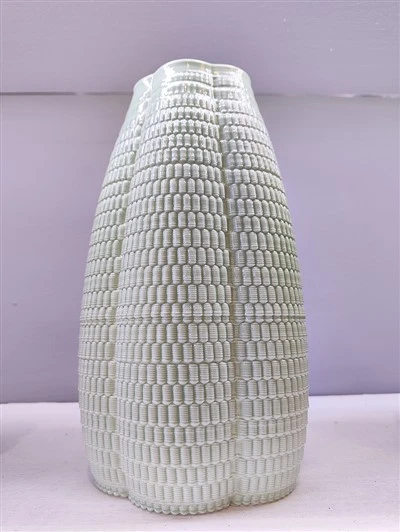
First, let’s talk about weight. This isn’t just “how heavy is the pot empty”—it’s about how heavy it will be when it’s fully watered with soil and a mature plant. That’s where most people go wrong. Lightweight plastic or resin pots seem perfect for apartment balconies with weak hooks or renters who can’t drill into walls, but water makes them way heavier than you think. A 12-inch plastic pot with 5 pounds of potting mix and a watered trailing plant can hit 15 to 20 pounds. If your hook is only rated for 10 pounds, that’s a recipe for disaster. We always recommend checking the hook’s weight limit first. For small plants (like string of pearls or tiny succulents in 6-inch pots), lightweight plastic is fine if you’re hanging it on a strong hook. But for larger plants (10 inches and up) or heavy bloomers like geraniums, go for a mid-weight option like fiberglass or glazed ceramic. These are durable, don’t break if they tip, and their weight actually helps prevent the whole setup from swinging in windy spots—another big plus if your balcony is exposed. Terracotta is another option, but it’s super heavy when wet, so only use that for spots with very strong, fixed mounting points, like a beam in a covered patio.
Next, drainage. I get it—when you’re picking a pretty pot, the holes at the bottom can feel like an afterthought. But for hanging plants, drainage is non-negotiable. Most trailing plants (pothos, philodendron, fuchsias) hate “wet feet,” which is when water sits in the soil and roots rot. That’s especially true for hanging plants because gravity means water will pool at the bottom of the pot if there’s nowhere to go. Wait, but what about those decorative hanging pots you see that don’t have holes? Those are planters, not pots—they’re meant to sit inside a smaller, perforated growing pot, which is a good workaround if you love a certain style but need functional drainage. But if you’re using a pot directly for your plant, skip the un-drained ones. Look for pots with 2 to 4 small holes at the bottom—bigger holes are fine too, but small ones keep soil from washing out when you water. We also add a little note to all our product listings about drainage, because we don’t want anyone dealing with root rot. Pro tip: If you find a pot you love without holes, grab a tray to put under it that’s wide enough to catch excess water. Just make sure to empty that tray within 15 to 20 minutes after watering, so roots don’t sit in standing water.
Material matters for both the plant and your space. Let’s break down the most common options: Plastic is cheap, lightweight, and retains moisture really well. That’s great for plants that like consistent moisture, like peace lilies or calatheas, because you don’t have to water as often. But plastic can fade in direct sunlight, so if your hanging spot is south-facing, go for UV-stabilized plastic—it won’t turn yellow in a few months. Terracotta is porous, meaning it lets air and moisture pass through the sides. That’s perfect for succulents or snake plants, which hate overwatering, because the sides wick away excess moisture. The downside is terracotta is fragile, so if you live in a windy area, it can crack or break. Resin is a middle ground: it looks like ceramic or stone, but it’s lightweight, durable, and holds moisture well. We use resin a lot for hanging pots these days because it works for almost every plant—people love that it doesn’t chip like ceramic and doesn’t fade like plastic. Metal pots (like copper or iron) are trendy, but they can be tricky. They don’t breathe, so overwatering is a risk, and some metals rust over time, especially if they’re always damp. If you want a metal pot, look for ones with a powder-coated finish that’s rust-resistant, and make sure it has drainage holes.
Size is another big one. How do you know if a 8-inch pot is right or a 10-inch? A good rule of thumb is: the pot should be 1 to 2 inches larger than the plant’s current root ball. If you go too big, the extra soil holds too much water, which leads to root rot. For example, if your pothos is in a 5-inch pot, a 7 or 8-inch hanging pot is perfect. What about trailing plants that grow super long, like string of hearts or pothos? You might think a wider pot would let the vines spread more, but the root system needs room first. If the pot is too big, the roots will take longer to fill it, and the soil will stay wet too long. Also, hanging pots have a depth to think about, not just width. Shallow pots are great for succulents and small trailing plants, while deeper pots are better for plants with longer roots, like fuchsias or spider plants. We label all our hanging pots with both width and depth, so you can match it to your plant’s needs. Maybe you have a mature philodendron with roots that stretch 6 inches down—don’t buy a 4-inch deep pot, no matter how cute it is.
Hanging system details, which most people overlook. The pot itself is only half the equation. The hook, chain, or rope that comes with the pot makes a huge difference. Some hanging pots come with flimsy plastic hooks that bend easily—we never include those. Instead, we add heavy-duty metal hooks or sturdy chains that can handle the weight of a watered pot. If you’re using a separate hook, make sure it’s rated for the weight of your pot plus plant. For example, a 5-pound plant needs a hook rated for at least 10 pounds, to account for extra water or wind. Also, think about the height of the pot when it’s hanging. If you have a low ceiling, a long chain or rope will make it hang too low, which might bump into people or furniture. We offer adjustable chains on many of our designs, so you can change the height to fit your space. Another thing: if you’re hanging your plant outside, get a pot with a UV-resistant coating. Sunlight can break down plastic, fade paint on ceramic, and rot natural fibers like cotton rope over time. We test all our outdoor hanging pots for UV resistance, so they last through rain, wind, and hot sun.
Plant-specific tips, because not all hanging plants are the same. Let’s go through a few popular ones to make it easier. For succulents like string of pearls or burro’s tail: go for a small (6 to 8 inch) terracotta or resin pot with good drainage. These plants hate wet soil, so the porous terracotta will help the soil dry out between waterings. For flowering plants like fuchsias or geraniums: a medium (8 to 10 inch) glazed ceramic or UV-stabilized plastic pot. These bloom a lot, so they need consistent moisture, but make sure the pot has drainage holes to prevent root rot. For large trailing plants like pothos or philodendron: a large (10 to 12 inch) fiberglass or resin pot. They’re heavy enough to prevent swinging, and the size gives the roots room to grow. For air plants? Wait, air plants don’t need soil, so you don’t need a traditional pot. A wire basket or macramé hanger that holds the air plant is perfect, just make sure it gets enough air circulation. We sell wire hanging baskets too, for people with air plants or orchids.
Common mistakes to avoid, from what I’ve seen. First, ignoring drainage holes. So many people buy a pretty pot without holes because it looks better, and then their plant dies from root rot. It’s not worth it. Second, buying a pot that’s too big. I had a customer last year who bought a 14-inch pot for her 5-inch pothos, and the plant died in two months. The extra soil held way too much water. Third, not checking the weight. A customer in an apartment bought a 12-inch plastic pot for her tomato plant, and it fell because the hook was only rated for 5 pounds— the fully watered pot was 18 pounds. She had tomato pulp all over her balcony, and I felt terrible. Fourth, using uncoated metal pots outside. A customer had a copper hanging pot that rusted through after one rainy season, and the plant fell. We now recommend powder-coated metal for outdoor use.

At the end of the day, choosing a hanging plant pot is about balancing what you want (style, size) with what your plant needs (drainage, moisture, space) and your space (hook strength, wind, ceiling height). If you’re still unsure, stop overcomplicating it. Our team is here to help—we’ve been in the business for years, and we’ve helped every type of plant owner, from new renters with a small balcony to homeowners with a big patio. If you need help picking the right pot for your specific plant, or want to place a bulk order for your garden or shop, reach out to our team for a consultation. We’ll walk you through weight limits, material options, and hanging systems to make sure your plants stay happy and your setup stays safe. No more broken pots, no more root rot, no more frustrated customers—just healthy, beautiful hanging plants.
Planter Box References:
- American Horticultural Society. (2021). Container Gardening for Hanging Plants. The AHS Guide to Growing Houseplants, 112-118.
- Miller, S. (2022). Drainage and Root Health in Potted Plants. Journal of Horticultural Science, 45(3), 198-205.
- National Gardening Association. (2023). Weight Load Requirements for Hanging Planters in Residential Spaces. Home Gardening Safety Handbook, 76-82.
- Plant Care Today. (2020). Choosing Pot Materials for Trailing Indoor and Outdoor Plants. Volume 17, Issue 4, 56-61.
- Urban Gardeners Alliance. (2021). Wind Resistance for Hanging Plant Setups in Balcony Gardens. Urban Horticulture Report, 29(2), 14-19.
Shanghai Dishan Xiumei Railing Manufacturing Co., Ltd.
With 20 years’ experience, we are one of the most professional flower pot manufacturers and suppliers in China. We warmly welcome you to wholesale customized flower pot made in China here from our factory. If you have any enquiry about quotation, please feel free to email us.
Address: No. 2568 Xiangyanghe Road, Qingpu District, Shanghai
E-mail: 13524911319@163.com
WebSite: https://www.dsxmoutdoorliving.com/
