If you’ve ever walked into a hydraulic shop and seen a dented metal drum oozing brown fluid, or watched a machine sit idle because a faulty line sprung a leak mid-shift, you already have a tiny taste of why getting hydraulic plugs right isn’t just a “turn and tighten” job. Let’s be real—most of the time, when I’m chatting with a shop foreman or a small fleet owner, they see hydraulic plugs as just… plugs. The kind of thing you grab off the shelf when you need to cap a port, then bolt on and forget about. But here’s the thing: I’m a hydraulic plug supplier, and I’ve seen way too many preventable headaches come from cutting corners on installation. Today, let’s break down why proper installation isn’t a nitpicky rule—it’s the backbone of keeping your systems running, your people safe, and your wallet happy. Hydraulic Plug

First, let’s set the scene. Hydraulic systems are the unsung workhorses of so many industries: construction cranes hoisting steel beams, farm combines threshing grain, garbage trucks compacting waste, even factory robots stamping out car parts. Every single one of these relies on tight, leak-proof seals in lines, valves, and cylinders. Hydraulic plugs aren’t just for closing up ports temporarily during maintenance—they’re for long-term sealing when a line is replaced, a test port is no longer needed, or a component is being stored or shipped. Mess up how you install them, and you’re looking at a cascade of issues that start small and blow up fast.
Let’s start with the most immediate, costly headache: fluid leaks. I once had a guy reach out to me because a brand-new plug he installed on a excavator’s boom line blew out mid-job on a construction site. By the time his crew got it shut down, the hydraulic fluid had soaked into the soft dirt, made the 10-foot bucket of dirt they were moving weigh twice as much, and caused $1,200 in cleanup alone—plus they lost 8 hours of work time. What did he do wrong? He tightened the plug with a standard wrench, using too much force on the wrong spot (the plug’s hex edge, not the flats), and skipped checking the O-ring or the port for burrs. Leaks like that don’t just waste fluid—hydraulic oil is expensive, like $15 to $20 a gallon expensive, and if it’s getting mixed with dirt, dust, or moisture because of a bad seal, you’re looking at premature component wear. I’ve seen hydraulic pumps fail 3 times faster than normal just because contaminated oil got in through a tiny leak from a poorly installed plug. That’s a $5,000+ pump, down because someone didn’t take 2 minutes to prep the port before sticking the plug in.
Next up, way too few people talk about this: system pressure damage. Hydraulic systems operate at pressures that would blow a tire off your car—we’re talking 1,000 to 5,000 PSI for most setups, and some heavy industrial stuff hits 10,000 PSI. If you install a plug wrong, it won’t hold that pressure. It might blow out, or more sneakily, it might leak slowly for a while, weakening the surrounding port threads. Threads get stripped or cross-threaded when you force a plug in too fast, or when you don’t align it properly. Cross-threaded ports are a nightmare—you can’t just yank the plug out and start over; you have to re-tap the port, or even replace the entire component, which could mean pulling a crane or taking a whole machine offline. I had a marine mechanic call me last year because he tried to install a plug on a hydraulic line for a ship’s winch, cross-threaded it, and had to send the winch out for re-tapping. That cost him $3,000 in downtime and repair, just because he rushed the installation and skipped turning the plug by hand until it threaded smoothly before using a wrench.
And let’s not forget safety, which is the big one that doesn’t show up on a parts bill but could ruin someone’s life. I’ve heard horror stories from OSHA reps about workers getting sprayed with high-pressure hydraulic fluid. Think about that: if a plug fails at 3,000 PSI, that fluid is moving faster than a fire hose. It can pierce through work gloves, coveralls, even skin. I knew a guy who got a tiny spray on his arm from a bad plug install—by the time they got him to the hospital, the fluid had traveled under his skin to his elbow, and he ended up needing surgery to remove the damaged tissue. That’s not a broken part; that’s a permanent injury, all because someone didn’t follow a few simple steps to install the plug right. Even on the operator side, a leaky plug can cause a machine to lose pressure mid-operation—imagine a crane’s boom dropping because a plug on a hydraulic line failed. That’s not just costly; that’s life-threatening.
Wait, but let’s be clear—this isn’t my way as a supplier to say “buy our plugs or you’ll crash and burn.” It’s about matching the plug to the job, and installing it correctly, because even the best plug in the world won’t work if you don’t put it in right. Here’s the thing: not all hydraulic plugs are the same. You’ve got threaded plugs, straight thread, pipe thread, O-ring face seals, flare plugs—each is made for a specific type of port and pressure rating. A 1/2-inch pipe thread plug isn’t going to seal the same way as a 1/2-inch O-ring face seal plug, and forcing the wrong one into the wrong port is a one-way ticket to a leak. That’s why as a supplier, we always ask people for the exact port size, pressure rating, and application when they reach out—we don’t just sell a plug; we sell the right plug, paired with how to install it.
Now, let’s break down the actual steps that take 5 minutes max, that most people skip (guilty, I’ve done it when I was in a hurry to get a job done). First: prep the port. Take a small wire brush or a pick and clean out any dirt, metal shavings, or old sealant from the threads. Even a tiny piece of metal shaving between the plug’s threads and the port’s threads will create a gap that leaks. Then, check the plug itself: make sure the O-ring (if it has one) is intact, no cuts or tears. If it’s a threaded plug, check the hex flats—don’t use a socket that’s too small or too big, because that’ll round off the edges, making it impossible to tighten later without damaging the plug.
Second: thread the plug by hand first. This is non-negotiable. Turning it with a wrench right away is how you cross-thread the plug and strip the port. If it doesn’t turn smoothly after 2 or 3 turns, it’s not aligned right—pull it out, recheck the port and the plug, and try again. No exceptions. Once it’s hand-tight, use a wrench, but don’t go to town. Follow the torque specs for that specific plug and application. Wait, you don’t have the torque spec? Reach out to your supplier—we keep all that info on file, because over-tightening is just as bad as under-tightening. Over-tightening can crack the plug, strip the port, or crush the O-ring so bad it can’t seal. For most standard 1/2-inch O-ring face seal plugs, that’s around 25 to 30 foot-pounds of torque. For a pipe thread plug, it’s a little more, like 35 to 40 foot-pounds, but don’t guess.
Third: test it. Once the plug is installed, before you put the machine back to work, pressurize the line slowly and check for leaks. Run a rag around the plug, look for any seepage. If you see even a tiny drop, shut it down, take the plug out, check for debris, re-install, and test again. I can’t tell you how many times a quick 1-minute test has saved someone hours of downtime later.
I get it—everyone’s busy. You’ve got a deadline, a machine that’s down, a crew waiting. It’s easier to grab a plug, yank it on, and move on to the next job. But over the last 12 years I’ve been supplying hydraulic plugs, I’ve learned that the best way to save my customers time and money isn’t to sell them a cheap plug—it’s to make sure they use the right plug, and install it right. I’ve seen a guy save $4,000 in repair costs just because he took 2 extra minutes to clean the port before installing a plug. I’ve seen a construction site avoid a shutdown that would’ve cost $10,000 in lost revenue because they used the right torque spec on a plug.
Let’s wrap this up. Hydraulic plugs might be small, but their impact is huge. Proper installation keeps fluid in where it belongs, not on the ground or inside a worker’s arm. It keeps pressure steady, so your machines run like they’re supposed to, no unexpected shutdowns mid-job. It saves you money on fluid, repairs, and downtime. And most importantly, it keeps your team safe, no going home hurt because of a preventable mistake.
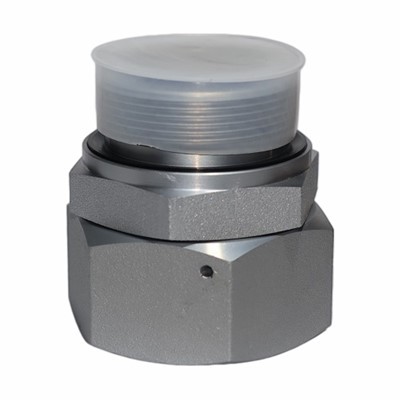
If you’re working on a hydraulic system and you need plugs, or you’re unsure if you’re installing yours right—hit us up, we’re here to help. We don’t just ship parts; we give advice that’s been tested on hundreds of sites, from small farms to big industrial plants. No pressure, no sales pitch, just honest info that keeps your jobs running. And if you’re tired of dealing with leaks or failed plugs, reach out whenever you’re ready to chat about your needs.
Hydraulic Fittings References:
- Occupational Safety and Health Administration (OSHA). (2021). Hydraulic Fluid Safety and Pressure Hazard Prevention. U.S. Department of Labor.
- National Fluid Power Association (NFPA). (2022). Installation Best Practices for Hydraulic Sealing Components. NFPA Technical Report 3.2.
- Machinery Lubrication Magazine. (2020). Contamination Control in Hydraulic Systems: The Role of Proper Plug Installation. Penton Publications.
Yuyao Huiqiang Fluid Connectors Co., Ltd.
As one of the most professional hydraulic plug manufacturers and suppliers in China, we also support customized service with low price. Please feel free to wholesale cheap hydraulic plug in stock here from our factory. Welcome to view our website for more information.
Address: No. 102, Wenwei Road, Zhangting Town, Yuyao City, Ningbo City, Zhejiang Province
E-mail: huiqiangliuti@aliyun.com
WebSite: https://www.huiqiangfitting.com/
