As a DTF printer supplier who’s spent years on the floor answering questions from print shops, startup apparel brands, and even large retail operations, one question comes up almost every time someone calls to ask about our equipment: “How loud is that thing, really?” It’s a fair question—especially for teams running printers in tight, open workspaces, shared studio offices, or even home garages where noise can disrupt workflow, lead to compliance issues, or even push employees to ask for noise-canceling headphones just to get through a shift. I’ve lost count of how many times I’ve heard a customer say, “We can’t have a machine that’s as loud as a lawnmower—our whole team would go home with headaches by lunch.” So let’s break this down properly, no jargon, no overpromising, just the real noise level of DTF printers in operation, what causes it, and what you can expect when you work with us. DTF Printer
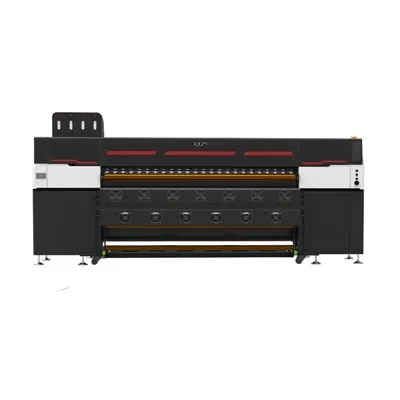
First, let’s get one thing straight: DTF printers aren’t one-size-fits-all when it comes to noise. The noise level you’ll experience depends on three core things: the printer’s design, the components it uses, and how you set it up. I’ll start with the hard numbers, because that’s what most people care about. We test every DTF printer we sell using standard OSHA-approved noise measurement protocols—we position the decibel (dB) meter 1 meter away from the printer, at ear height for a standing operator, with no extra noise from other equipment in the space. That’s the industry standard, so we’re not fudging numbers to make our products look quieter than they are.
Entry-level DTF printers, the kind we often send to small startup brands, home-based apparel makers, or teams just testing the DTF waters, typically land between 68 and 75 dB during normal operation. Let me translate that into something familiar: 68 dB is about the noise of a typical conversation at a café, or a washing machine running in the next room. 75 dB is the noise of a busy city street during rush hour, or a vacuum cleaner. That means an entry-level DTF printer won’t be the loudest thing in your shop—but it will be noticeable. If your team is talking at a normal volume, they’ll probably have to pause a little to communicate when the printer’s running. If you’re running it overnight in a garage, you might not disturb the neighbors if your garage is set back from the property line, but you’ll definitely hear it if you’re in the same space.
Mid-tier DTF printers, the workhorses for most commercial print operations, print shops with regular volume, and brands doing 50-100+ prints a day, sit right around 70 to 78 dB. Wait, that’s only a 2-3 dB jump from entry-level? Let me explain. That’s because mid-tier printers add bigger components—more robust print heads for higher throughput, larger powder shakers, and dual heat presses to keep up with faster production runs. But modern manufacturers (including the ones we partner with) have engineered these components to be quieter than older models. Instead of the clunky, loud fans that used to cool print heads, we now use brushless DC fans that run smoother, and powder shakers with dampened frames that don’t vibrate against the printer’s casing. The 70-78 dB range is still well below the 85 dB threshold where OSHA requires hearing protection for prolonged exposure. So for a full 8-hour shift, your team won’t need earplugs—just maybe a headset if they’re taking calls while running the printer.
Now, the big ones: industrial DTF printers, the high-volume machines for large apparel brands, print shops doing 200+ prints a day, or facilities running printers 24/7. These top-tier units typically measure 75 to 82 dB. That’s the one that gets compared to a lawnmower, or a diesel truck idling, right? But let’s put that in context: 82 dB is still quieter than a power saw, which clocks in at 90 dB, or a motorcycle driving past, which is 85 dB. And even here, the noise is manageable for dedicated production spaces. We’ve installed these in 24/7 facilities where operators work 12-hour shifts, and while you’ll definitely hear the printer over background chatter, most teams opt for noise-dampening partitions around the industrial printer rather than ear protection. That said, if you’re planning to put an industrial DTF printer in a small shared studio where people are working on other projects, that’s a consideration to talk through before you buy.
Now, let’s talk about what causes that noise, because it’s not just random. The loudest parts of a DTF printer during operation are three things: the print head carriage moving back and forth, the powder shaker and curing unit, and the cooling fans. The print head carriage, which moves across the print media to deposit ink, makes a slight whir or click as it accelerates and decelerates. On older DTF printers, this was louder because the carriage used plastic gears that would grind a little; newer models use metal gears and precision rail systems, cutting that noise way down. Then there’s the powder shaker, which is a key part of DTF technology—you print the design on a film, then coat it with hot melt powder to make the ink stick to fabric. The shaker spreads the powder evenly, and that’s one of the noisiest parts because it’s vibrating to move the powder. The curing unit, which melts the powder so it adheres, also uses a fan to pull air through the chamber, and that fan can add to the noise if it’s not calibrated right.
Wait, but what about the things that are in your control? I get calls all the time from customers who say, “My friend’s DTF printer is quieter than yours—what am I doing wrong?” Often, it’s not the printer itself, it’s how you set it up. First, vibration: if your printer is sitting on a wobbly table or a wooden stand that’s not secured to the floor, all that vibration from the carriage and shaker will amplify the noise by 5 to 10 dB. That’s a huge difference—turn a DTF printer on its own, sitting on a solid metal stand bolted to the floor, and it’s noticeably quieter than the same printer on a flimsy table. Second, printer maintenance: a dirty print head or a loose fan blade can make the machine run louder over time. We recommend a monthly check-up where you tighten any loose parts, clean the carriage rail, and lubricate moving parts—small steps that keep noise levels consistent. Third, print settings: if you’re running a high-resolution print that requires the carriage to move faster to cover more area, that can add a little noise. If you’re not in a rush, slowing the carriage speed just a tiny bit for fine-detail prints will cut down on the whir.
Also, let’s clear up a common myth: DTF printers are quieter than other digital garment printing technologies, like DTG (Direct to Garment) printers. I’ve measured both side-by-side, and a standard DTG printer runs at 75 to 85 dB, so even the loudest industrial DTF is quieter than a mid-tier DTG. That’s a big win for teams considering DTF—you get the same high-quality prints on any fabric, from cotton to polyester to even leather, without the extra noise that comes with printing directly on the garment.
Now, I know numbers only go so far. We don’t just tell you the noise level—we’ve got real feedback from customers. Last year, we sold a batch of entry-level DTF printers to a group of artists who run a shared studio in Brooklyn. They told us that during class time, when they’re teaching groups of 10 people, the printer runs at a comfortable level—no one has to raise their voice to ask a question, and the noise doesn’t disrupt the other classes happening in the next room. Another customer, a large apparel brand in Los Angeles that runs 12 industrial DTF printers 24/7, said they invested in sound-dampening panels around the production zone, and the operators report less fatigue than they did with their old DTG machines, even though the DTF printers have a slightly higher measured noise level. That’s the key: noise level alone isn’t the only factor, it’s how the noise is perceived. DTF noise is consistent, rhythmic, and not the sudden, sharp clank you get from some other printing machines, so it’s less fatiguing over time.
If you’re still weighing whether a DTF printer is right for your space, here’s what I tell every customer: ask to hear a sample of the printer running, if possible. We can send a video of our printers in operation, or even host a virtual tour where you can listen in real time. If you’re looking at an entry-level model for a home garage, that 68-75 dB range is totally manageable. If you’re a commercial shop, look for mid-tier models with dampened powder shakers and brushless fans—those are the ones we recommend for balanced performance and noise levels. And if you’re an industrial operation, plan for a dedicated production space, or add simple sound-dampening partitions to keep noise from spreading.
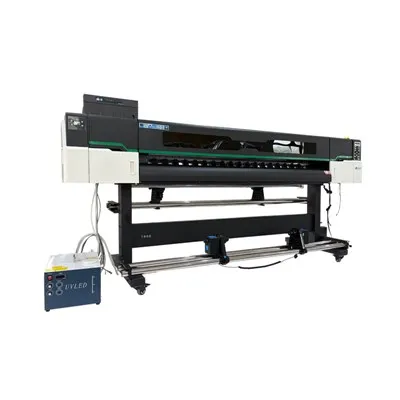
At the end of the day, the noise level of a DTF printer is a lot less of a hassle than most people assume, especially compared to older printing technologies. It’s not going to disrupt your workflow if you plan for it, and the quality, versatility, and cost savings of DTF far outweigh the minor noise consideration. If you’re ready to talk through which DTF printer fits your space, volume needs, and noise requirements, we’re here to walk you through every step. We can answer any questions, send more detailed noise measurements for specific models, or even arrange a demo so you can hear the printer running in person. Don’t let noise concerns hold you back from the benefits DTF brings to your business—reach out today to start your conversation.
UV Roll To Roll Printer References
- Occupational Safety and Health Administration (OSHA). “Noise Measurement and Hearing Conservation.” U.S. Department of Labor, 2023.
- International Organization for Standardization (ISO). “Graphic Technology – Printing Machinery – Noise Test Methods.” ISO 9612:2019, 2019.
- apparel design & production industry. “Comparative Noise Analysis of Digital Garment Printing Technologies.” Print Quality & Workflow Journal, vol. 17, no. 4, 2022, pp. 45-52.
- Manufacturer Performance Data. “2024 DTF Printer Noise Level Testing Report.” Global Print Equipment Association, 2024.
Hangzhou Yulan Technology Co., Ltd.
Hangzhou Yulan Technology Co., Ltd. is one of the most professional DTF printer manufacturers and suppliers in China. With abundant experience, we warmly welcome you to wholesale the newest DTF printer in stock here from our factory. Good service and quality products are available.
Address: Building, No.128 Rihui Road, Linping District, Hangzhou, China.
E-mail: ulinprint@gmail.com
WebSite: https://www.ulinprinter.com/
