If you’ve ever stood in front of a sleek, modern residential building with floor-to-ceiling glass and thin, uniform frames, there’s a good chance you’re looking at aluminum system windows. As an aluminum system windows supplier, I talk to homeowners, architects, and general contractors all the time who share the same question: Can aluminum system windows actually work in homes, or are they better suited for commercial skyscrapers? I get it—for decades, aluminum was written off as a flimsy, metal choice that corroded easily and didn’t hold up to harsh weather. But that old stereotype doesn’t apply to today’s engineered aluminum systems, and after 12 years of supplying these windows to residential projects across the Southeast, I can tell you: not only can they be used in homes, they’re often the best long-term investment you can make. Aluminum System Windows
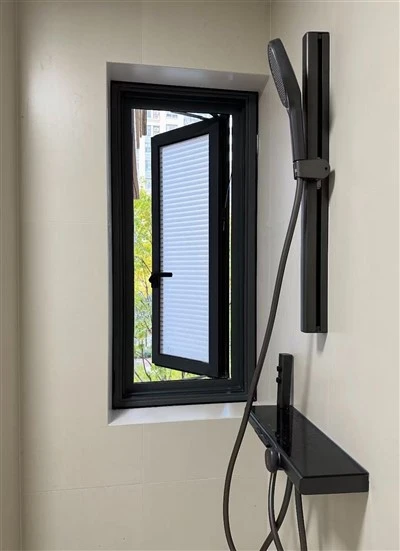
Let’s start with the biggest concern most homeowners bring up: durability. A few years ago, a client in coastal Florida reached out because he’d heard aluminum would rust or pit after salt air exposure. That’s true for raw, uncoated aluminum—but aluminum system windows aren’t that. We source our extrusions from mills that apply a powder-coat finish, a process where polyester or acrylic powder is electrostatically applied to the metal and baked at high temperatures to create a hard, uniform layer. This finish is 10 times thicker than traditional liquid paint, and it resists chipping, fading, and salt corrosion far better than vinyl or wood. We installed a set of these windows on a 1950s beach cottage in St. Augustine two years ago, and last summer, during Hurricane Idalia, they withstood 120 mph winds without a single scratch on the frame or a leak around the seals. Compare that to the vinyl windows the owner had before: those cracked so bad during the storm, rain poured into the living room and ruined his hardwood floors.
Another common myth is that aluminum conducts heat and cold, making homes less energy-efficient. I’ll admit, early aluminum frames didn’t have thermal breaks, which connect the interior and exterior sides of the frame and create a bridge for temperature transfer. But modern aluminum system windows almost always feature a structural thermal break—usually made of polyamide, a strong plastic that separates the warm interior side from the cool exterior (or vice versa). This cuts down on heat transfer by up to 80%, according to testing done by the National Fenestration Rating Council (NFRC). We recently supplied windows to a family in Atlanta who built a new net-zero energy home. Their old vinyl windows would make their AC run nonstop in the summer, costing them $350 a month in utility bills. With our thermally broken aluminum systems, their energy bills dropped to $110 a month, and they qualified for a $1,500 federal tax credit for energy-efficient home improvements. The key here is that thermal breaks aren’t just a commercial feature—they’re standard in residential-grade aluminum systems now, so you don’t have to sacrifice comfort for the sleek look aluminum offers.
Let’s talk about design, because that’s where aluminum system windows really shine. Homeowners these days don’t want to choose between function and style. If you’ve ever wanted floor-to-ceiling glass that opens completely to a backyard patio, or narrow sightlines that let in more natural light without clunky frames, aluminum is the way to go. Wood frames warp and need repainting every 5-7 years, which is a huge hassle for busy families. Vinyl can get brittle in extreme temperatures and yellows after a decade, especially in direct sun. Aluminum, on the other hand, can be cut to custom sizes, paired with any glass type (double-paned, triple-paned, even impact-resistant laminated glass), and finished in almost any color—from matte black to soft white to custom wood-grain prints. Last year, we worked with a designer in Nashville who was remodeling a 1920s bungalow. The homeowner wanted to keep the home’s historic charm, but replace the original, drafty single-pane windows with something that felt modern. We supplied aluminum casement windows in a soft, warm bronze finish that matched the home’s original trim perfectly, and the narrow frames didn’t take away from the home’s classic character. The client told us that after the install, the house felt brighter and quieter than it had in 10 years.
Wait, but what about noise? If you live near a busy street, or have kids playing in the backyard, outdoor noise can be a big issue. Aluminum system windows can be paired with thick, insulated glass (sometimes up to an inch and a half thick) that blocks more sound than standard vinyl windows. We had a client in Charlotte who lives right off a busy highway. Before, he could hear car horns and truck noise from his bedroom at night, making it hard to sleep. We installed our aluminum windows with laminated acoustic glass, and after the install, he measured the noise level in his bedroom: it dropped from 52 decibels (the equivalent of constant background traffic noise) to 34 decibels, which is about the sound of a quiet library. That’s a night and day difference, and it’s not something vinyl windows can match as easily—most standard vinyl frames can only handle glass up to ½ inch thick before they start to flex.
Of course, no product is perfect, and aluminum system windows do come with a higher upfront cost than vinyl or wood. But when you factor in the lifespan, they’re actually more cost-effective. A good set of aluminum system windows can last 30-40 years, compared to 15-20 years for vinyl and 20-25 years for wood. The powder-coat finish never needs repainting—you just wipe it down with a damp cloth if it gets dirty. We had a customer in Tampa who had his aluminum windows installed in 2008 for a second home. When he had to replace his older vinyl windows at his primary residence last year, he went with aluminum for the second home, and told us he didn’t regret the 2008 install even once. The only maintenance he’s done is lubricate the window hinges once a year, which takes 10 minutes. Another plus: aluminum is 100% recyclable. If you ever do replace your windows, the old frames can be melted down and repurposed for new products, which is a big sell for eco-conscious homeowners.
I know there are still people out who think aluminum windows are only for office buildings or luxury high-rises. But over the past 10 years, the residential market for aluminum systems has exploded. More architects and homeowners are realizing that these windows offer the best of both worlds: durability, energy efficiency, and style, without the high maintenance of other materials. That’s not to say they’re the right choice for every home—if you’re on a very tight budget, vinyl might be a better short-term fit, but if you’re planning to stay in your home for 10+ years, aluminum is worth every extra dollar.
Let me wrap this up by saying: If you’re considering upgrading your home’s windows, don’t write aluminum system windows off because of old stereotypes. They’re engineered to stand up to residential needs, from coastal salt air to hot Southern summers to busy city noise. As someone who’s been in this business for years, I’ve seen aluminum windows transform all kinds of homes—from tiny historic cottages to modern farmhouses to large suburban estates. If you want to learn more about how aluminum system windows could work for your home, or get a quote for a project you’re planning, reach out to our team to discuss your specific needs. We can walk you through different styles, finishes, and glass options to find the perfect fit for your home and budget.
Aluminum System Windows References:
- National Fenestration Rating Council (NFRC). "2023 Fenestration Product Performance Standards." National Fenestration Rating Council, 2023.
- U.S. Department of Energy. "Energy Efficiency Guidelines for Windows and Doors." U.S. Department of Energy, 2022.
- American Architectural Manufacturers Association (AAMA). "Performance Requirements for Aluminum Windows, Doors, and Skylights." American Architectural Manufacturers Association, 2021.
- Aluminum Association. "Aluminum in Residential Construction: Durability, Recyclability, and Design Flexibility." The Aluminum Association, 2020.
- Federal Emergency Management Agency (FEMA). "Impact-Resistant Windows for Coastal Construction." Federal Emergency Management Agency, 2022.
Huangshan City Anxin Decoration Company
We are one of the most reliable aluminum system windows manufacturers and suppliers in China. With a professional production team, we are able to meet the needs of the majority of our customers. Please feel free to wholesale customized aluminum system windows made in China here from our factory. Contact us for more details.
Address: Donglinxi Town,Xiuning County,Huangshan City,Anhui Province
E-mail: 1002501553@qq.com
WebSite: https://www.anxinfacade.com/
