When you drive through a growing residential neighborhood, a bustling commercial district, or even a remote construction site, you might not notice the unassuming box structure tucked between the streetlights and the buildings. That’s a box type substation, and if you’re like most people, you probably don’t give it a second thought. But let me tell you—this compact unit is the unsung hero of reliable power, and its protection functions are what keep the lights on, the factories running, and the homes safe. As a supplier of box type substations, I’ve spent years explaining these core features to engineers, project managers, and facility directors, and I’ve seen firsthand how a clear understanding of these protections can make or break a power infrastructure project. Box Type Substation

First, let’s ground this a bit: a box type substation, also called a prefabricated substation, is a compact, factory-assembled unit that combines all the components of a traditional substation—transformers, switchgear, protection devices—into one weather-resistant, transportable enclosure. Unlike traditional substations that take months to build on-site, these arrive ready to install, which is why they’re so popular for fast-growing areas. But their real superpower, beyond convenience, is their built-in protection functions, designed to safeguard both the substation itself and the equipment it powers, as well as the people who work around it.
One of the most critical protection functions is overcurrent protection. Let’s break that down: overcurrent happens when an electrical circuit carries more current than its designed limit, usually because of a short circuit, an overload, or a ground fault. If that extra current isn’t stopped quickly, it can overheat wires, melt insulation, and cause fires—or permanently damage connected equipment. In our box type substations, we integrate overcurrent relays that monitor current levels in real time. If the current spikes beyond a safe threshold, the relay triggers the circuit breaker within milliseconds, isolating the faulty section before damage occurs. I remember a project a few years back in a new housing development where a loose wire in a homeowner’s HVAC unit caused a short circuit. The box substation’s overcurrent protection caught it instantly, cutting power only to that section of the neighborhood instead of taking down the entire development. That’s the kind of reliability our customers rely on.
Next up is insulation coordination and fault isolation protection. Traditional substations are often exposed to the elements, with exposed busbars and components that can be vulnerable to dust, moisture, or accidental contact. Box type substations enclose all live components in a dielectrically strong insulation material, which prevents unintended electrical discharge between parts or to the ground. But even with that protection, faults can happen. When a fault does occur—say, a tree branch falls on a feeder line and creates a short—our substations use fault isolation systems to pinpoint exactly where the fault is, instead of tripping all power to the entire substation. This is called selective coordination, and it’s a game-changer for minimizing downtime. For a commercial property, every minute of downtime can mean lost sales or disrupted operations, so this protection function directly translates to bottom-line value.
Ground fault protection is another non-negotiable, especially for sites with people working around electrical equipment. A ground fault happens when a live conductor touches a grounded surface—like a metal fence, a building’s frame, or even a person. The current from the fault will flow to the ground, and if there’s no protection, that current can be deadly. Our box type substations are equipped with residual current devices (RCDs) or ground fault circuit interrupters (GFCIs) that detect even small leakage currents (as low as a few milliamps) and shut off the circuit before the current can reach a dangerous level. I once worked with a construction company operating a box substation at a worksite where an electrician’s tool frayed and came into contact with a grounded ladder. The ground fault protection activated in 20 milliseconds, preventing serious injury. That’s a protection function that saves lives, and it’s one we never cut corners on, no matter the project size.
Voltage regulation and overvoltage protection are also key components of a box type substation’s protection suite. Voltage fluctuations—whether they’re spikes from lightning strikes, grid switching operations, or heavy equipment startups—can damage sensitive electronics, from office computers to medical equipment. Our substations include voltage regulators that maintain a consistent output voltage within +/- 5% of the desired level, which is ideal for most commercial and residential loads. We also install surge arresters (also called lightning arresters) at the input of the substation to divert excess voltage from lightning strikes away from the transformer and other components. On a recent project in a region prone to summer thunderstorms, a lightning strike hit a feeder line; the surge arrester absorbed the excess voltage, and the rest of the substation’s protections kept power flowing to the local hospital’s backup systems. That’s when I saw how these protections aren’t just about equipment safety—they’re about community safety.
Thermal protection is a protection function that many people don’t think about, but it’s essential for extending the lifespan of the substation. Transformers, in particular, generate heat when they’re operating, and overheating can degrade the insulating oil or winding materials over time, leading to premature failure. Our box type substations have temperature sensors mounted on the transformer and other high-current components. If the temperature rises above a set threshold—usually around 105 degrees Celsius for transformers—a thermal relay will trigger an alarm, or if it gets too hot, it will reduce the load on the transformer or shut it down temporarily to prevent damage. For industrial customers who use their substations 24/7, this thermal protection means their equipment lasts 10-15 years longer than it would without proper monitoring, which saves them hundreds of thousands of dollars in replacement costs.
Another protection function is switchgear interlocking, which is all about preventing human error. When maintenance workers need to access the substation’s components, they follow strict procedures, and interlocking systems make sure they can’t make a mistake that could cause a fault. For example, you can’t open a circuit breaker that’s still energized, or you can’t access the high-voltage compartment while the transformer is still connected to the grid. Our box type substations have mechanical and electrical interlocks that only allow safe operations: you have to turn off the power, activate a lockout/tagout switch, and use a specific key to access live parts. I’ve heard too many stories of on-site accidents caused by human error, so building these safeguards into every unit is non-negotiable for us as a supplier.
Back-up protection is the final piece of the puzzle. The main protections (overcurrent, ground fault, etc.) are designed to act quickly for minor faults, but back-up protections kick in if the main ones fail. It’s like a fire alarm and a sprinkler system working together: the alarm alerts you to the problem, and the sprinkler puts it out if the alarm doesn’t. In our substations, back-up overcurrent relays are set to activate a few seconds after the main relay, so if there’s a rare case where the main protection doesn’t trigger, the back-up will isolate the circuit before damage occurs. This redundancy is what makes box type substations so reliable for critical applications like data centers, hospitals, and water treatment plants.
Now, you might be wondering: how do these protection functions translate to real-world value for your project? As a supplier, we don’t just sell a prefabricated unit—we provide a power solution that’s protected to perform, no matter the environment. Whether you’re building a new residential development, expanding a commercial campus, or setting up a temporary power solution for a construction site, our box type substations’ protection features mean less downtime, lower maintenance costs, and, most importantly, a safer power supply for everyone connected.
I’ve seen too many projects where skimping on protection features in a substation led to costly repairs, extended outages, or even safety incidents. That’s why, when a customer works with us, we take the time to assess their specific needs—whether it’s a remote rural site with high lightning activity, a dense urban area with limited space, or a critical facility that can’t afford to lose power. We customize the protection functions to match, so every unit is tailored to their unique requirements.
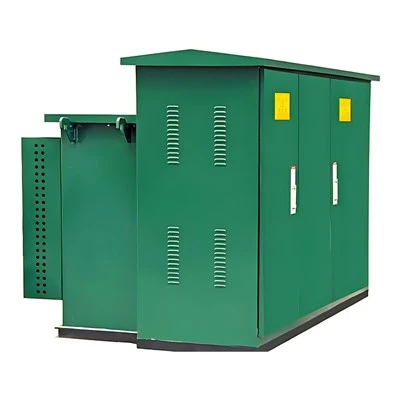
If you’re planning a power infrastructure project and want to make sure your box type substation has the right protection functions to keep your operations running smoothly, I’d be happy to walk you through our products and discuss how we can meet your needs. Don’t leave your power reliability to chance—reach out to our team today to start a conversation about your project requirements. We’re here to help you choose the right protection features, install the unit, and provide ongoing support to keep your power safe and reliable for years to come.
Power Transformer References
- IEEE Std 110-2016, IEEE Guide for Ac Power System Protection
- National Electrical Code (NEC), Article 450: Transformers and Transformer Vaults
- IEC 61330: Prefabricated Substations for Low and Medium Voltage
- Electrical Construction Maintenance (ECM) Magazine, “Understanding Box-Type Substation Protections,” 2022
- U.S. Department of Energy, “Prefabricated Substations for Rural and Industrial Applications,” 2021
Jiangsu Yuantong Electric Co., Ltd.
As one of the most professional box type substation manufacturers and suppliers in China, we also support customized service. We warmly welcome you to wholesale bulk box type substation for sale here from our factory. For more information, contact us now.
Address: No.68 Xiyuan Avenue, Hai’an Industrial Park, Hai’an City, Jiangsu Province, China
E-mail: aaron@jsytelectric.com
WebSite: https://www.yuantongtransformer.com/
