Hey everyone, it’s Jake from your go-to gear motor supplier here – the one you shoot a quick message to when your production line’s screaming about a motor that’s acting up. Let’s cut to the chase: helical gear motors are workhorses, right? They’re way smoother than spur gear motors, handle more torque, and don’t make that racket that makes your night shift team grab earplugs. But here’s the thing – even the baddest workhorse needs a little TLC to keep pulling its weight for years, not just months. I’ve seen too many guys toss a motor into the corner, wait till it’s dead, and then panic-order a replacement at 2 a.m. on a Sunday. That’s not fun, and it’s totally avoidable. Today, I’m breaking down exactly how to maintain your helical gear motor like you actually care (and trust me, that care saves you cash in the long run). Gear Motor

First off, let’s get one thing straight: helical gear motors aren’t “set it and forget it” parts. Yeah, they’re built tough – we test every single unit that leaves our shop for load capacity and alignment, so you know it’s not gonna crumble after a week. But daily use, dust, temperature swings, even tiny debris getting into the nooks can mess with them if you sleep on maintenance. I’ve worked with a guy last quarter who ran his packaging line 24/7, never checked his gear motor for 18 months, and the bearings seized up so bad the motor snapped its own gear. Cost him $12k in downtime and a new motor – that’s the kind of waste we’re here to stop.
Let’s start with the stuff you can check daily – no tools needed, just a quick walkaround. I know, you’re busy, but 60 seconds is all it takes. First, listen to it. Stand near the motor when it’s running – not right on top of it, obviously. A healthy helical gear motor has a low, steady hum. If you hear grinding, squealing, or a weird rumble that wasn’t there yesterday, that’s a red flag. Most people brush that off, but 9 times out of 10, that’s either low lubricant or a gear tooth that’s starting to wear. Next, check for leaks. Gear motors have seals to keep oil in and dirt out. If you see any oil pooling around the base or the shaft where it sticks out, that seal’s gone bad. Don’t wait – a small leak today turns into a dry motor tomorrow, which is way worse. Also, glance at the temperature. Grab a non-contact thermometer (they’re like $20 at any hardware store) and point it at the motor housing while it’s under load. If it’s hotter than 180°F (about 82°C), that’s a problem. Too much heat means friction is building up, which kills parts fast. I’ve seen guys think “it’s hot, that’s normal” – no, normal is lukewarm, not so hot you can’t rest your hand on it for 10 seconds.
Now, the weekly check-in – this takes 10 minutes, and it’ll save you hours of headaches. First, inspect the external components. Look at the motor mounts: are they tightened? Vibration from the motor can loosen bolts over time, and loose mounts throw the whole alignment off. If the mount is wobbly, tighten those bolts with a wrench, but don’t crank ’em so hard you strip the threads. Next, clean the motor. If your shop’s in a dusty environment (like woodworking, agriculture, or construction), dust and debris can clog the ventilation fins on the motor housing. Clogged fins = overheating, which we already know is bad. Use a soft brush or compressed air (on low pressure – don’t blast it so hard you damage wires) to sweep off the fins and the gear housing exterior. Also, check the input and output shafts for any rust or burrs. Rust on the shaft can mess up the couplings connecting the motor to your other equipment, leading to misalignment. If you see a little surface rust, wipe it off with a rag and a tiny bit of WD-40 – don’t use too much, it’ll attract more dust.
The big one is lubrication – this is where 90% of helical gear motor issues come from, and it’s also the easiest to get right… if you do it on schedule. Here’s the thing: you can’t just dump any old oil in there. Helical gears need specific gear oil, not motor oil or grease. Why? Because helical gears have that angled tooth design – they create more side load, so the oil needs to have extreme pressure (EP) additives to prevent pitting and wear. First, check your motor’s manual – every model we sell has a spec sheet that says exactly what weight oil to use. Most standard helical gear motors take ISO 220 or ISO 320 EP gear oil, but don’t guess. Now, how often do you change it? If your motor’s running 8 hours a day, 5 days a week, change the oil every 12 months. If it’s running 24/7, you need to do it every 6 months. And before you say “that’s too often,” think about the guy I told you about earlier – his motor ran 24/7 for 18 months, never changed the oil, and it seized. That downtime cost him more than 3 new oil changes, easy.
Changing the oil is simple, by the way. First, let the motor run for 10 minutes – warm oil flows better and carries more gunk out. Then, turn it off and disconnect the power (safety first, always). Find the drain plug on the bottom of the gear housing – put a pan under it, unscrew it, and let the old oil drain completely. While it’s draining, wipe the drain plug and the magnet inside (most gear motors have a magnet to catch metal shavings) – if you see tiny metal particles, that’s normal, but if you see big flakes, that means internal wear, and you should call us to talk about a check-up. Once it’s drained, screw the drain plug back in, and then find the fill plug on the side. Suck the correct amount of new oil into a funnel (no spills!) and pour it in. Don’t overfill it – that causes too much pressure and seals to leak. The oil level should hit the middle of the sight glass on the housing, if it has one. If you don’t have a sight glass, follow the manual’s fluid volume specs, and don’t guess.
Another maintenance step people sleep on is alignment. Helical gear motors are great, but they’re super sensitive to misalignment. If the motor and the equipment it’s connected to (like a conveyor, a mixer, or a pump) are even a tiny bit off, that causes extra vibration, wear on gears and bearings, and shorter life. How often should you check alignment? If it’s a new installation, check it after the first month, then quarterly after that. How do you do it? You can use a dial indicator (those are standard for this) or a laser alignment tool if you want to be precise. But even a quick visual check while the motor’s running can help – if you see the coupling between the motor and your equipment moving side to side or up and down more than a hair, that’s misalignment. Tighten the mounts a little, adjust the position, and recheck. We offer alignment services through our team, by the way – if you’re not comfortable doing it yourself, just hit us up.
Wait, let’s talk about unexpected scenarios, too. What if your motor is running in a harsh environment? Like, if it’s outside, or in a food processing plant where there’s washdown, or in a factory with high humidity. For outdoor motors, you need to check the seals every 3 months – rain and moisture can get in and rust the gears. For food grade motors, you need to use food-safe lubricants (not just any EP oil) and clean the motor after every use, since food particles can get stuck in the gears. For high-humidity areas, add a tiny bit of anti-rust additive to the oil every oil change. I had a client in a seafood processing plant a while back who thought his washdown wouldn’t hurt the motor, until salt water corroded the shaft seal and ruined the bearings. We swapped out his seals, showed him the right lubricant, and now his motors have lasted twice as long as before.
And let’s not forget about the motor’s electrical components, not just the gear part. Helical gear motors have an electric motor attached to the gearbox, so the electrical side needs TLC too. Check the power cables every month for frays or cracking – if the insulation is damaged, that’s a fire hazard. Make sure the connections at the motor terminal box are tight – loose wires can cause overheating and burn out the motor. If you have a variable frequency drive (VFD) controlling the motor, check the VFD settings every 6 months. Too high a frequency can make the motor run too fast, which wears the gears out, and too low can cause overheating. We include VFD setup guides with every motor we sell, so if you lost yours, just ask for a copy.
Now, what if you notice a problem that’s a little more serious? Like, the motor’s making a really loud noise, or it’s overheating even after you checked the fins and oil. Don’t wait till it dies completely. Our team does on-site inspections – we’ll come out, tear down the gearbox, check for worn gears or bearings, and give you a quote for repairs or a replacement if needed. Repairs are way cheaper than a new motor, and way cheaper than downtime. I’ve had guys call us at 7 a.m. saying their motor’s dead, and we can usually have a tech there by noon, instead of them waiting 3 days for a new motor to ship.
Wait, let’s bust a common myth here: some guys think “I don’t need to maintain it, this motor’s built for heavy use, so it’ll last forever.” Newsflash – every mechanical part has a lifespan, but proper maintenance doubles or even triples that lifespan. A helical gear motor that’s maintained right can last 10 years or more, whereas a neglected one might die in 2. That’s a huge difference for your bottom line. Let’s do the math: if a new motor is $1500, and you replace it every 2 years, that’s $7500 in 10 years. Maintain it, and you spend $1500 on maintenance over 10 years, and it lasts 10 years. That’s $6000 saved, plus no downtime when it dies unexpectedly.
Also, keep records! I know, it’s another thing to add to your to-do list, but it’s worth it. Write down when you changed the oil, when you checked alignment, any repairs you did. That way, when you notice a problem, you can look back and see if it’s related to something you skipped, like missing an oil change. We also keep records for all the motors we sell to our regular clients, so if you call us with a motor issue, we can pull up its specs and maintenance history right away.
Let me wrap this up with a quick recap, because I know you’re swamped:
- Daily: Listen for odd noises, check for leaks, feel the temp.
- Weekly: Clean fins, check mounts and shaft condition.
- Lubricate: Use the right EP oil, change on schedule (6-12 months, depending on run time).
- Align: Check every quarter, adjust as needed.
- Electrical: Inspect cables, tight connections, VFD settings.
- Harsh environments: Add seal checks, food-safe lubricants, anti-rust additives.
- Don’t ignore red flags – call us early.
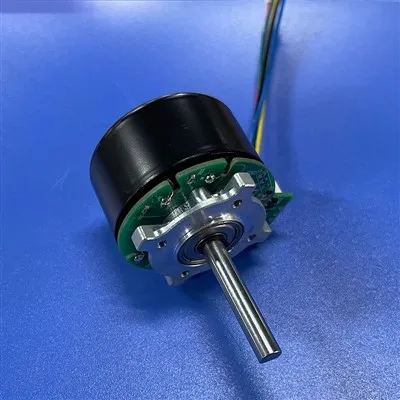
If you’re not sure about any of this, or you need help setting up a maintenance schedule for your specific motors, just reach out. We don’t just sell gear motors – we help our customers keep them running. Whether you need a quick question answered over text, a tech to come out for an inspection, or a new motor because yours is toast, we’re here. No jargon, no hidden fees, just real help for your gear motor needs. Hit us up to start a conversation about maintaining your motors, or if you’re in the market for new ones that are built to hold up even when you don’t have time for fancy maintenance.
Personal Care Brushless Motor References:
- American Gear Manufacturers Association. (2019). AGMA Standard for Helical and Herringbone Gear Units – Lubrication, Maintenance, and Operation.
- ISO 12080-1. (2021). Industrial Helical Gear Motors – Part 1: General Specifications and Maintenance Guidelines.
- Machinery Lubrication Magazine. (2022). Common Lubrication Mistakes in Gear Motor Applications – Root Causes and Fixes.
- U.S. Occupational Safety and Health Administration (OSHA). (2020). Maintenance Guidelines for Industrial Electric Motors and Gear Drives – Safety and Performance Best Practices.
Shenzhen HengDrive Technologies Co., Ltd.
Shenzhen HengDrive Technologies Co., Ltd. is one of the most professional gear motor manufacturers and suppliers in China, specialized in providing high quality customized service. We warmly welcome you to buy the newest gear motor in stock here from our factory.
Address: Building A & F, FuNing Hi-Tech Park, XinTian Road, FuHai Street, BaoAn District, ShenZhen, GuangDong Province, China.
E-mail: Marketing001@hengdrive.com
WebSite: https://www.hengdrivemotor.com/
