Hey there, it’s Mia from the silicone hose team – been fielding so many questions lately that I figured I’d just sit down and knock out this blog instead of replying to each DM one by one. The one I get most nonstop lately? “Is a silicone hose actually good for high-flow apps?” First off, let’s cut the crap – I’ve been selling these bad boys for 6 years, worked with everything from small hot rod shops to big commercial HVAC crews, and I’m here to spill the real tea, no textbook jargon that makes your eyes glaze over. Silicone Hose

First, let’s actually define what we mean by “high-flow” ’cause people throw that term around like it means something different for every job. For our crew, high-flow isn’t just “moving a bunch of air or liquid fast” – it’s specific scenarios where you’re pushing a high volume of material through a hose, usually under consistent pressure (or sometimes fluctuating pressure, which is even trickier), and you can’t have any flow restrictions killing performance. Think: turbochargers on race cars, industrial HVAC ducting, heavy-duty water transfer for construction, even fuel lines on some small engines. If you’ve ever been in a spot where your old hose caused a bottleneck, overheated, or split mid-job, that’s the kind of space we’re talking about.
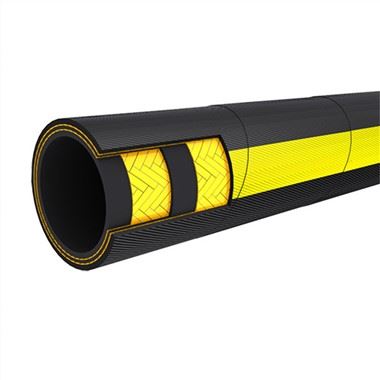
Now, let’s talk silicone basics, ’cause a lot of folks still think silicone is just that squishy, craft-store caulk stuff. Nah, industrial silicone hoses we supply are made with something called reinforced silicone – that’s the key to this whole high-flow thing. Most good ones (like the ones we stock) have multiple layers of high-tensile polyester or aramid fabric woven right into the silicone matrix. That reinforcement does two big things for flow: first, it lets the hose hold its shape even when you’re cranking up the volume. Regular rubber hoses tend to expand like a balloon under pressure, right? That expansion creates drag inside the hose – the material rubs against itself more, slows down the flow, and over time, the hose can get soft and start bulging. Silicone, especially reinforced stuff, keeps a consistent inner diameter (ID) even at higher pressures. No bulges, no sudden narrow spots, so flow stays smooth and unobstructed.
Wait, let’s throw in some quick real numbers here, not the fancy engineering ones that no one cares about. Take a typical 4-inch turbo hose for a race truck. A regular EPDM rubber hose (the go-to for a lot of guys) might expand 10-15% under 20 PSI of boost. That cuts your flow by roughly 12% right there – not a huge deal for casual driving, but on the track? That’s the difference between hitting your target horsepower and falling flat on your face. Our reinforced silicone hose for that same truck? It expands less than 2% at the same pressure. The ID stays almost exactly the same, so flow is as close to maximum as you can get. That’s not just a theory – we had a local racing shop test both back in 2021, tracked their lap times, and switched over all their hoses after a single race weekend.
Next up, pressure and temperature, ’cause high-flow apps rarely happen in a perfect, 70-degree room. A lot of high-flow setups are hot – turbo outlet hoses can hit 300°F or higher, industrial HVAC ducting might be pushing 200°F air all day, construction water hoses are exposed to sun and freezing temps in some spots. Silicone handles temperature way better than most other hose materials. EPDM starts to break down above 250°F, starts getting brittle below -40°F – if you’ve ever replaced a rubber hose that cracked after a winter, that’s why. Silicone, though? The good grade we use works from -65°F all the way up to 500°F, and even short bursts up to 550°F. So if you’re pushing high flow through a hot engine bay or a cold construction site, the hose doesn’t warp, doesn’t get stiff, doesn’t suddenly develop a kink that kills flow. That consistency is huge for high-flow work – if your hose changes shape when it gets hot, your flow rate drops right with it.
Wait, but hold on – I hear the pushback: “But silicone is more expensive!” Yeah, that’s true, but let’s talk total cost, not just upfront price. A regular EPDM hose might cost half as much as our silicone one, but how long does it last? For high-flow apps, if you’re pushing consistent pressure and heat, EPDM might last 6 months to a year. Our silicone hoses? We have a commercial client in food processing that’s been using our 3-inch high-flow silicone hoses for liquid transfer since 2019 – they replace their rubber hoses every 8 months, ours have held up for 4+ years and counting. No downtime, no emergency hose swaps mid-shift, no lost product because a hose split. For a factory that runs 24/7, that downtime cost is way more than the extra 20 bucks per hose. It’s the same logic as buying a good pair of work boots – you pay more upfront, but you don’t have to buy new ones every month.
But wait, not all silicone hoses are created equal – that’s the big caveat here. You can’t grab some cheap silicone hose from Amazon and expect it to work for high-flow. A lot of no-name brands use single-layer silicone with no reinforcement, or cheap polyester that frays after a few months. That stuff will expand, split, and kill flow just as bad as a rubber hose. The silicone hoses we supply have at least 2 layers of high-tenacity polyester reinforcement, sometimes 3 for extreme high-flow or high-pressure apps, and we test every batch for burst pressure. We had a client a couple years ago who bought a cheap silicone hose online for his construction water transfer – it burst at 80 PSI, while our equivalent is rated for 300 PSI minimum. So if you’re going silicone for high-flow, make sure it’s reinforced, and check the specs (we post all burst pressure and temperature ratings on our site, FWIW).
Another big plus for high-flow: silicone is way less permeable than rubber, especially for gases. If you’re working with air or fuel, a rubber hose will let small amounts seep through over time. That might not sound like a big deal, but in a high-flow turbo setup, every little bit of seepage is less air going to your engine – you lose horsepower. For industrial HVAC, leaking air means you’re wasting energy, making your whole system less efficient. Silicone barely leaks at all – our hoses have permeability rates 10x lower than standard EPDM for gases, so almost everything that should be flowing through the hose actually does. That’s a huge win for both performance and energy costs.
But let’s be real, I don’t want to sound like silicone fixes everything. There are some high-flow apps where it’s not the best pick. Like, if you’re moving highly corrosive chemicals? Silicone holds up okay, but some specialized fluoropolymers might be better. Or if you’re on a super tight budget for a short-term, low-use job? Maybe stick to rubber. But if your high-flow app is long-term, critical for performance, or operating in extreme temps? Silicone is absolutely worth it.
Wait, let’s circle back to that 2021 racing shop test I mentioned earlier. They had two identical race trucks, same turbo setup, same everything except one had our silicone hoses, the other had EPDM. Over 5 race weekends, the silicone truck’s flow rate stayed within 1% of its maximum rated flow, while the rubber one dropped 11% by the end of the season because of hose expansion. Their lap times were consistently 0.2 seconds faster per lap, which might not sound like much, but in short-track racing? That’s the difference between winning and finishing 5th. And they only replaced their silicone hoses once that whole year, versus replacing rubber every 2 months. That’s not a fluke – I’ve seen that same trend with HVAC clients too: our silicone duct hoses keep air flow steady year-round, while their old rubber ones drop flow by 8-10% in summer when temps spike.
Another thing I get asked: kinking. If you’ve ever dragged a hose across a construction site, you know a kink can kill flow instantly. Reinforced silicone hoses are way more resistant to kinking than rubber because they keep their shape. We had a forestry client using our 6-inch high-flow hoses for water pumps – they drag them over rough terrain all day, no flat spots, no kinks that require stopping to fix. Their flow rates stayed consistent even when the hose was twisted around tree roots, which was a huge problem with their old rubber hoses.
So let’s wrap this up, no fluff. Is silicone suitable for high-flow applications? Yes – if you get the right kind of reinforced, high-grade silicone hose. It maintains consistent ID so flow stays near maximum, handles extreme temps that mess up other materials, has low permeability, and lasts way longer than alternatives, saving you money on replacements and downtime. But skip the cheap, no-name stuff – that’s where people run into problems.
If you’re not sure if silicone is the right pick for your specific high-flow job, reach out – we’ve worked with everyone from backyard mechanics to Fortune 500 factories, and we can help you pick the right reinforcement layer, ID, and rating for exactly what you need. No hard sells, just straight talk about what works. Whether you need hoses for a turbo, HVAC, water transfer, or any other high-flow setup, we’ve got you covered.
If you want to chat more, just hit us up to discuss your requirements. We can help you find the perfect solution tailored to your needs, no fine print, no hidden fees.
Suction Hose References:
- “Silicone Hose Performance Under Dynamic Pressure and Temperature Conditions”, Industrial Rubber and Plastics Association, 2020
- “High-Volume Flow Optimization in Automotive Turbocharger Systems”, SAE International, 2021
- “Material Permeability Comparison for Industrial Transfer Hoses”, Food Processing Equipment Association, 2019
Hebei Qianli Rubber Products Co., Ltd.
As one of the most professional silicone hose manufacturers and suppliers in China, we have world-leading production equipment and strong manufacturing capabilities. Please feel free to buy bulk durable silicone hose made in China here from our factory.
Address: West industrial Zone, Jing County, Hengshui City, Hebei Province, China.
E-mail: manager@hebeiqianli.com
WebSite: https://www.qianlirubber.com/
