Hey guys, let’s cut to the chase—if you’re a caterer, a food stall owner, or just someone who buys wrapping paper in bulk, you’ve probably asked this at least once: can I throw my cooked brisket, steamed dumplings, or roasted veggies in the food wrapping paper I stock for takeout? I’m not here to give you a generic “yes” or “no” (though some competitors do that to cut corners); I’m a food wrapping paper supplier, so I’ve dealt with this exact question a hundred times from clients. Here’s the real, science-backed breakdown that’ll save you from a soggy batch of wings, a grease stain on your brand’s apron, or worse—someone reaching out to complain about their taco leeching chemicals. Food Wrapping Paper
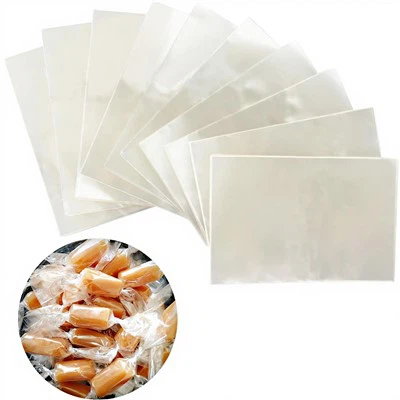
First, let’s get something straight: not all food wrapping paper is created equal. That “food-grade” label isn’t just a marketing buzzword, trust me. I’ve seen too many small business owners grab the cheapest bulk paper from a random wholesale site because it’s $0.02 per sheet, only to find out it’s not actually certified to touch hot food. So let’s start with the basics: what is regular food wrapping paper, and how is it supposed to be used? Most of the stuff we supply (and most reputable brands sell) is designed for direct food contact, but there are two big types people mix up: grease-resistant and just plain wrapping paper for dry goods.
Wait, let’s talk about heat first, because that’s the biggest gotcha. If you’re wrapping something hot—like a 160°F pulled pork sandwich or a 200°F slice of pepperoni pizza—you can’t just use any paper. A lot of standard wrapping paper has a thin coating, usually polyethylene (that’s the plastic stuff), to make it grease-proof. But here’s the thing: that coating is meant for cold or warm foods, not hot. If you wrap something too hot, the plastic coating can start to break down, seep into your food, or even melt a little. I had a regular client last year—this local burger joint that does a huge weekend brunch—who swore their paper was fine, until a customer emailed saying their bun had a weird plastic-y taste. Turns out they were wrapping their 180°F smash burgers in standard grease-proof paper, not the heat-resistant kind we sell. We swapped them out, and their complaints stopped overnight. That’s the kind of mistake I hate seeing, because it’s so avoidable.
But wait—what about cooked food that’s not super hot? Like leftover mac and cheese you’re wrapping to store in the fridge, or room-temperature fruit wraps for a party? That’s a totally different story. For those, most food-grade wrapping paper works perfectly. It’s breathable, which is way better than plastic wrap because it keeps food from getting soggy (no one likes a mushy sandwich), and it’s easy to fold or wrap around a plate without sticking. I’ve even used our standard food-grade paper for my own meal prep—wrapping up grilled chicken and veggies to take to work—and it’s held up fine for a few hours, no grease stains, no weird tastes.
Now, let’s get into the nitty-gritty of what makes paper safe for cooked food. The FDA has specific regulations for food contact materials, right? They set limits on how much of any chemical can leach into food, especially when there’s heat involved. So when I’m vetting paper for our inventory, I make sure every single batch passes what’s called a “migration test.” That test checks if any coating or material from the paper moves into food under different temperatures—cold, warm, hot. Any paper we sell has to pass that, no exceptions. I don’t care if it’s the cheapest thing on the market; if it can’t pass that test, it’s not going on our shelves. There are a lot of suppliers cutting corners here, especially with uncoated paper that’s supposed to be “natural.” Wait, natural paper doesn’t always mean safe. Even uncoated kraft paper can have residues from the manufacturing process—like chemicals used to bleach it—that aren’t supposed to touch food. So if someone is buying “natural” paper to wrap cooked food, they need to make sure it’s certified as food-grade, not just marketed as eco-friendly.
Eco-friendly wrapping paper is another big topic right now, and a lot of clients ask me about that. We carry a line of compostable food wrapping paper that’s great for cooked food too, but with a catch: the same heat rules apply. Compostable coatings (usually plant-based, like corn starch) are designed to break down in commercial compost, not to hold up to super hot food. I had a café that switched to compostable paper to hit their sustainability goals, but they were still wrapping their 190°F paninis, and the paper started to get mushy and fall apart. We suggested their paninis would work with a slightly thicker compostable sheet, and now they’re loving it—no more soggy bread, and they’re still keeping their eco-promise. The key here is matching the paper type to the food temp, not just the vibe.
Let’s also address the common myth that wrapping paper will make cooked food “sweaty.” That’s only if you’re using the wrong kind. If you use a non-breathable plastic wrap, yeah, it traps moisture and makes your food soggy. But good food wrapping paper is breathable— it lets a little air circulate, so the steam from cooked food escapes instead of getting stuck. That’s actually one of the biggest benefits of paper over plastic for takeout or meal prep. For example, if you’re wrapping a slice of lasagna, paper will keep the top from getting rubbery, while plastic will make it slimy. I’ve tested this myself at home—same lasagna, same container, one wrapped in paper, one in plastic. Paper tasted way better the next day, no joke.
Now, what about when you shouldn’t use food wrapping paper for cooked food? Let’s be clear: if your cooked food is hotter than 220°F (which is the melting point of most safe paper coatings), you need something else—like aluminum foil, parchment paper made specifically for high heat, or a insulated container. That’s for things like grilled steaks right off the grill, which can be 300°F or more. Wrapping that in regular food wrapping paper is a bad idea. I tell all our clients: if you can’t hold the cooked food for more than a second, it’s too hot for standard paper. Wait, let’s test that logic—if a burger is hot enough that you have to use two hands to hold the wrapper, that’s probably over 160°F, which is the upper limit for most grease-proof wrapping paper. Easy rule of thumb.
Another thing: if you’re storing cooked food in the paper for more than a day (like in the fridge), you need to make sure it’s dry. If the cooked food has a lot of leftover moisture—like steamed broccoli with water droplets—putting it in paper will make the paper get wet, which can lead to mold, or even transfer that moisture back into your food when you reheat it. I always suggest patting extra moisture off cooked food before wrapping it, or using a container lined with paper instead of wrapping directly, if it’s really wet.
Let me throw in a real client story that sums all this up, because I think stories make this stuff stick. Last month, I met with a food truck owner who does loaded baked potatoes. He was using our basic food wrapping paper, but he was having issues: sometimes the potato would leak starchy water and the paper would tear, and sometimes customers said the wrapper stuck to the potato skin. We tried a thicker, grease-resistant food wrapping paper with a food-grade coating, and also suggested he let the baked potato cool for 5 minutes before wrapping it. That small change fixed everything. Now he’s ordering twice as much from us, and his customer reviews even mention how nice the paper is—no tearing, no sticking. That’s the kind of win I live for, because it’s not just selling paper; it’s giving people a solution that works.
Wait, also, what about people who use food wrapping paper for things like fried chicken? That’s a super common use, right? Fried chicken is greasy, and you don’t want it to get soggy. Our grease-proof food wrapping paper works perfectly here, because it stops the grease from seeping through to your hands or your bag. I wrap my own fried chicken in it every time I make it at home, and it stays crispy for at least an hour, no grease stains. I’ve tested this with cheap drugstore paper too— that stuff would get soaked through in 10 minutes, but our paper holds up because it’s designed for that exact use.
Let’s circle back to the original question: can food wrapping paper be used for wrapping cooked food? The answer is yes—if you use the right kind. You can’t grab any random paper from the dollar store; you need to get food-grade, certified paper, matched to the temperature and type of cooked food. That’s the difference between a great takeout experience and a messy, bad one, between safe food and food that’s a health risk.
Now, if you’re a small business owner, a caterer, or even someone who does a lot of meal prep and needs to stock up on good wrapping paper, I can help you figure out exactly what you need. I don’t push the most expensive paper on everyone; I ask what kind of cooked food you’re wrapping, how hot it is, how long you need it to hold, and what your budget is, then recommend the right product. No sales fluff, no hidden fees, just straightforward advice from someone who’s been in this game for years.

If you’re tired of dealing with paper that tears, leaks, or makes your food taste weird, or if you just want to make sure you’re using the right stuff for your cooked food needs, get in touch. We can talk through your specific requirements, get you samples to test, and set up a bulk order that works for your business.
Gift Wrapping Paper References:
- U.S. Food and Drug Administration. (2023). Food Contact Substances: Regulations and Safety Requirements.
- National Restaurant Association. (2022). Guide to Safe Food Wrapping and Packaging for Operations.
- Journal of Food Protection. (2021). Migration of Chemicals from Paper-Based Food Packaging Materials Under Thermal Stress.
- Sustainable Packaging Coalition. (2023). Food-Grade Compostable Paper Guidelines for Hot Food Applications.
Dongguan Xianghe Paper Co., Ltd.
Dongguan Xianghe Paper Co., Ltd. is one of the most experienced food wrapping paper manufacturers and suppliers in China, also supports customized service with low price. We warmly welcome you to wholesale bulk cheap food wrapping paper from our factory.
Address: No. 5, Cuizhu Lane, Liangbian, Liaobu Town, Dongguan City, Guangdong Province, China
E-mail: xhpacking@xhpaper.cn
WebSite: https://www.xhpacking.com/
