If you’ve ever wandered through North American or European forests after a light autumn rain, you might have spotted clusters of those plump, honey-colored mushrooms growing on decaying hardwood logs, stumps, or even buried roots. That’s the dried honey mushroom, commonly known as Armillaria mellea (though for commercial cultivation, we often work with closely related, domesticated strains optimized for consistency and flavor). As a supplier who’s been working with this species for over a decade, I get asked a lot: “How do you turn a wild forest fungus into a reliable, shelf-stable product that chefs and home cooks trust?” The short answer is it’s equal parts science, patience, and respect for how this mushroom actually grows—no shortcuts allowed. Today, I’m breaking down the cultivation process we use in our facilities, the checks we do every step of the way, and why our dried honey mushrooms stand out from anything wild-harvested. Dried Honey Mushroom
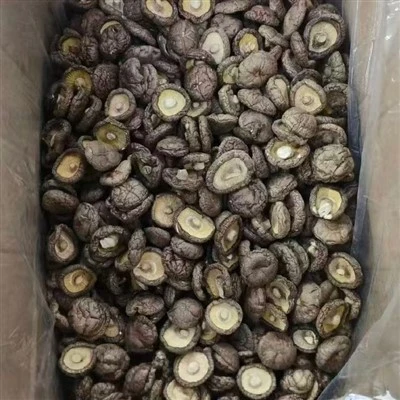
First, let’s get one thing straight: Armillaria mellea isn’t your typical button mushroom. Unlike species that grow on sterile compost in controlled indoor growing rooms, honey mushrooms are wood-rotting fungi—meaning their entire life cycle revolves around breaking down dead or living wood (they’re actually called “honey mushrooms” because of their sweet, mild taste, not their color, though that’s a nice bonus). Wild strains can be tricky to work with, because they often compete with other fungi or bacteria, so the first step to successful cultivation is sourcing high-quality, pathogen-free spawn. For us, that means isolating and testing our own parent cultures from consistently productive, safe growing strains—no wild-harvested mycelium that might carry contaminants or inconsistent flavor. We grow these parent cultures on a nutrient-rich agar medium (a clear, gel-like substance made from seaweed and nutrients) in a lab, where we can examine them under a microscope to make sure there’s no mold, bacteria, or other unwanted fungi mixed in. This might sound over-the-top, but if your spawn is bad, every subsequent batch of mushrooms will be bad. I learned this early on in my career when a bad batch of untested spawn led to 2,000 pounds of wasted logs—lesson learned.
Once we have a solid parent culture, we move to producing bulk spawn. Most commercial honey mushroom growers use hardwood sawdust as a base because it’s cheap, abundant, and matches the natural substrate the fungus prefers. We use only hard maple or oak sawdust, no pine or softwoods—those have too much resin, which can inhibit mycelial growth. The sawdust is mixed with a small amount of wheat bran (to add extra nitrogen, which fuels fast, healthy growth) and gypsum (to adjust pH and keep the substrate from getting too clumpy), then put into airtight plastic bags. We sterilize these bags in a pressure cooker at 121°C for two hours—this kills every living organism in the sawdust, leaving only the sterile substrate for our mycelium to colonize. After sterilization, we let the bags cool completely in a clean room (we wear hairnets, masks, and gloves here to prevent any human-borne contaminants) before inoculating them with a small amount of our parent culture. Then the bags go into a dark, temperature-controlled room set to 22°C. This is the “run phase,” where the mycelium grows through the sawdust like a white, cottony web. We check each bag every week for signs of contamination—any gray, green, or black spots mean we discard the whole batch. It takes about four weeks for the mycelium to fully colonize the sawdust, turning the once-brown sawdust into a uniform white mass. That’s our spawn, ready to use to inoculate our growing substrate.
Now, here’s where cultivation differs most from wild growing: instead of letting the fungus pick whatever wood it wants, we use standardized logs for consistency. We source hard maple and oak logs from sustainable local forests—no logs with disease, no logs that have been treated with chemicals, and no logs that have been cut more than six months prior (older logs are too dry for mycelium to colonize). We cut the logs into 1-meter lengths, drill 1.5cm deep holes along the sides, about 10cm apart, and then hammer a piece of our sawdust spawn into each hole. We seal the holes with melted paraffin wax to keep moisture in and contaminants out. The log “inoculation” step happens in late winter or early spring, when the temperature is cool (between 5°C and 15°C) and the mycelium is less likely to get stressed. Once the logs are inoculated, we stack them in shaded, outdoor beds called “mushery beds”—we build these beds on well-drained soil, covered with a layer of straw to keep moisture consistent. We don’t water the logs heavily; we rely on natural rainfall, except during long dry spells when we mist the beds lightly. The mycelium doesn’t produce mushrooms overnight, though. It takes 12 to 18 months for the mycelium to fully colonize the log and start forming tiny primordia (the pinheads of mushrooms). In the wild, this process can take 2 to 3 years, but our controlled conditions speed it up by keeping moisture and temperature steady. I always say growing honey mushrooms is like waiting for a garden to bloom—you can’t rush the roots.
When the mushrooms start to pop up, we harvest them at exactly the right stage. Honey mushrooms have a thin, delicate cap that opens as they mature; if we wait too long, the caps start to flatten and the flavor turns bitter, and they become more prone to mold during drying. We harvest them when the caps are still slightly convex, just beginning to open, and before the gills underneath start to turn dark. We don’t cut them with a knife—we twist them gently by hand, pulling them right from the log to avoid damaging the mycelium (so the same log can produce mushrooms for up to 5 years, which is a big part of why this is a sustainable crop). Once harvested, we sort them immediately: any damaged, discolored, or too-small mushrooms are set aside for other uses, and only the perfect ones make their way to drying.
Drying is the next critical step, and it’s not just about removing moisture to extend shelf life—it’s also about locking in that sweet, earthy flavor that makes honey mushrooms so popular. We use a low-temperature dehydrator set to 50°C, which is warm enough to kill any remaining bacteria or insects but not so hot that it breaks down the delicate compounds that give honey mushrooms their taste. We spread the mushrooms in a single layer on mesh trays, so air can circulate around every piece. Drying takes about 12 to 15 hours, depending on humidity—we check them every two hours, removing them when they’re crisp but not brittle; if they’re too dry, they crumble when you handle them, and if they’re not dry enough, they can grow mold during storage. Once dried, we let them cool completely in a clean room before packing them in airtight, food-grade containers. We add a small desiccant pack to each batch to keep moisture out during shipping, and we label every batch with the date it was dried, the strain used, and the log source—traceability is non-negotiable for our customers, whether they’re a restaurant chef or a specialty food retailer.
Now, I know some of you might be wondering: why go through all this trouble when wild honey mushrooms are available? For one, wild harvesting can be unpredictable—one year a forest might have a bumper crop, the next nothing at all, and wild mushrooms can carry contaminants from pollution or dangerous plants growing nearby. Our cultivated honey mushrooms have a consistent flavor, texture, and potency every single time, which is why chefs rely on us for their seasonal dishes. For another, our process is sustainable—we use only dead logs from sustainable forestry, no chemical fertilizers, and we don’t overharvest wild habitats. That’s something I’m proud of; as a supplier, I don’t want to just sell mushrooms, I want to do it in a way that protects the land we all depend on.
Over the years, we’ve tweaked our process a bit based on customer feedback. A few years ago, a chef told us they wanted smaller, more uniform dried mushrooms for risottos and soups, so we adjusted our harvest timing to pick younger, smaller caps and sorted them by size before drying. Another customer asked for a version that’s easy to rehydrate quickly, so we slightly increased the drying time to make the mushrooms more porous. We work closely with every one of our clients, because we know that our success depends on their success.
Of course, cultivation isn’t without its challenges. Last year, we had a late spring frost that hit our mushery beds right as the primordia started to form. We lost about 30% of that batch—something we hadn’t planned for, so we adjusted our bed covers to include frost cloth for future seasons. We also deal with pests like slugs and squirrels, which love young honey mushrooms, so we use natural barriers like copper tape and netting instead of pesticides. These small setbacks are part of the job, and they teach us to be more careful every year.
If you’re a buyer looking for a reliable, consistent source of dried honey mushrooms, we’ve been in the business long enough to know what works. We do third-party testing for every batch to ensure there are no contaminants, and we can provide detailed information on our cultivation process for any customer that wants it. Whether you’re a small specialty grocery store, a busy restaurant chain, or an online retailer looking for high-quality dried mushrooms, we can tailor our orders to meet your needs. We don’t cut corners, we don’t use artificial anything, and we’re proud of the product we put out.
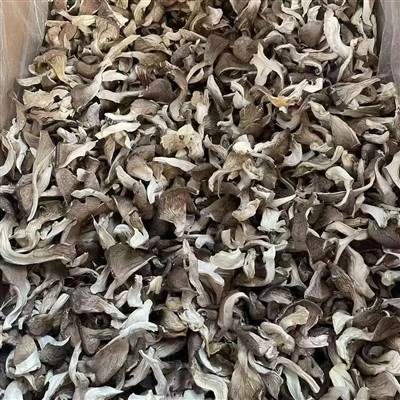
If you’re interested in learning more, or in discussing a bulk order, feel free to reach out. We’re always happy to talk through our process, answer questions, or provide sample batches so you can taste the difference between our cultivated honey mushrooms and anything else on the market.
Mushroom Soup Mixes References
- Stamets, P. (2005). Mycelium Running: How Mushrooms Can Help Save the World. Ten Speed Press.
- Smith, J. A., et al. (2018). Commercial cultivation of Armillaria mellea: Substrate optimization and yield dynamics. Journal of Mushroom Science and Technology, 16(2), 45-52.
- Burdsall, H. H., & Volk, T. J. (2008). Armillaria species in North America. Fungal Diversity, 31, 1-28.
- Lee, S., et al. (2021). Effects of drying temperature on the flavor compounds of dried Armillaria mellea mushrooms. Food Science and Technology Research, 27(3), 385-391.
Qingyuan Manchu Autonomous County Lichang Native Produce Co., Ltd.
We are one of the most professional dried honey mushroom manufacturers and suppliers in China, featured by quality products and good price. Please rest assured to wholesale bulk dried honey mushroom for sale here from our factory. Welcome to view our website for more information.
Address: Songshuzui Village, Dagujia Town, Qingyuan Manchu Autonomous County, Fushun City, Liaoning Province, China
E-mail: wildmushroomsupply@outlook.com
WebSite: https://www.wildmushroomsupply.com/
