If you’re an aggressive MTB rider—you know, the one who’s charging down technical trails, sending drops, cranking around berms like you’re glued to the bike—you’ve probably spent way too much time overthinking every part of your rig. Suspension travel? Check. Tires? Stomped. Drivetrain? Tuned to shift like lightning. But how often do you stop and actually dig into your handlebars? I’ll be real with you: most casual riders sleep on them, but aggressive riding? That handlebar is your direct link between your hands, your wheels, and the chaos you’re about to throw at a trail. As a handlebar supplier who’s worked with tons of local riders and pro gravel/MTB guys (no, not those Instagram posers who only ride park once a month), I’ve seen firsthand how picking the wrong bar can turn a send into a wipeout, and the right one can make you feel like you’re one with your bike. MTB Bike Handlebar
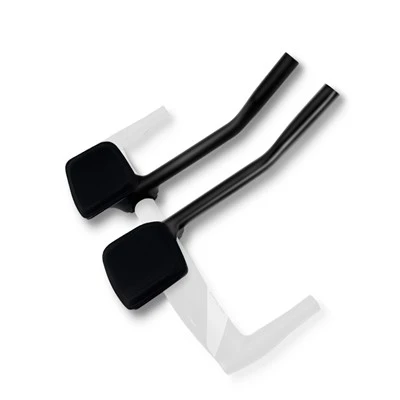
First off, let’s cut the fluff: aggressive riding isn’t casual cruising. That means we’re talking enduro, downhill, technical trail lines, slappy drops, and tight, twisty switchbacks where you need to react faster than a squirrel on a hot sidewalk. So what makes a bar “best” for this? It’s not just the width—though that’s a huge part—it’s the rise, the backsweep, the upsweep, the material, and even how it’s shaped to absorb abuse without turning into a cheap metal pretzel. Let’s break this down like we’re huddled around a toolbox at a trailhead, no engineering jargon that makes your eyes cross.
Width is the first call. I know some guys swear by the old “shoulder-width” rule, but for aggressive riding? That’s outdated. Let’s be honest: your shoulders don’t care if you’re weaving through a tight rock garden at 25 mph, but your wheels do. Here’s the thing: wider bars give you more leverage to steer, keep your wheels planted through chattery terrain, and prevent that weird “twitchy” wheel feel when you’re hammering through bumps. I’ve had riders come to me saying their 74mm bars feel too wide, but after a week of testing our 78mm bar for aggressive use? They text me mid-ride to say they just landed a 3-foot drop without even thinking. Wait—78mm? But I’ve seen some DH guys go up to 80mm, right? Yeah, but let’s be realistic: if you’re riding enduro or aggressive trail, 76mm to 78mm is the sweet spot. Any wider than that, and you’ll start scraping bars on tight tree lines when you’re carrying speed through a descent. That’s the last thing you want when you’re already focused on not crashing. Pro tip: if you’re between sizes, go wider. You can always adjust grip position in, but you can’t stretch your shoulders (trust me, I’ve tried).
Next up: rise. This is where a lot of new aggressive riders mess up. Some think higher is better, but no—depends on how you ride. Rise is how much the bar sits above your stem. For aggressive riding, we’re talking 20mm to 35mm. Wait, why not higher? Let’s think about posture. When you’re hammering down a technical trail, you want a natural, aggressive stance—hands slightly ahead of your body, not crunched up to your chest like you’re holding a basketball. A 20mm to 30mm rise keeps your elbows bent, which absorbs bumps better and gives you more control when you’re popping over obstacles. I’ve had a rider test a 40mm rise bar (don’t ask why) and spent the whole ride complaining about arm pump and feeling like he was leaning too far back, making it hard to turn. Too low, though, and you’re putting too much weight on your wrists, leading to numbness after 10 minutes on a hard descent. 25mm is probably the most versatile pick here—works for enduro, aggressive trail, even a little park slapping. If you’re into more steep, techy stuff where you’re leaning way forward, go 20mm. If you like sending bigger drops where you need a little more leverage for manualing, 35mm works. But skip anything over 35mm unless you’re strictly DH and don’t care about trail width.
Now, backsweep and upsweep. These are the angles at the ends of the bar, and they make a massive difference for comfort and control. Backsweep is how much the grips angle back toward your body—usually 5 to 10 degrees. Upsweep is how much they angle up, usually 1 to 5 degrees. For aggressive riding, you don’t want zero sweep—your wrists will be in a dead, uncomfortable position, leading to arm pump so bad you’ll be pushing your bike up the last climb. I tested a no-sweep bar once and after a 20-minute descent, my left hand was going numb. Not fun. But you also don’t want too much sweep—like 15 degrees backsweep—because that messes with your ability to steer hard through tight turns. The sweet spot here is 7 degrees backsweep and 3 degrees upsweep. That’s enough to keep your wrists relaxed, so you can hold on through 10 miles of choppy trail, but not so much that it throws off your steering input. I’ve had a bunch of pro enduro riders switch to this spec and say they stopped having wrist fatigue on long descents. Game changer.
Material, let’s talk about that, because aggressive riding beats the hell out of parts. You’ve got two main options: aluminum alloy or carbon fiber. Let’s get real about both, no fanboyism here. Carbon is lighter, right? But it’s also way more brittle. If you crash hard, or drop your bike on it at the trailhead? It can crack and fail without warning. I’ve seen a guy’s carbon bar snap halfway down a trail after hitting a rock—total disaster, he had to walk 5 miles out. Aluminum is heavier, but it’s tough. It flexes a little when you hit a big bump, which actually helps absorb vibration, and it’s way more forgiving if you bash it against a tree or a rock. Wait, but some riders say carbon is stiffer? Yeah, but for aggressive riding, a little flex is a good thing. Stiff isn’t always better—stiff bars transfer every single bump to your hands, leading to more arm pump. I’d pick a reliable aluminum bar for aggressive riding every single time over a fancy carbon one. Unless you’re a pro with a support team that can replace parts instantly, aluminum is the way to go. And not just any aluminum—look for 6061-T6 or 7050, those are the tough, heat-treated alloys made for MTB abuse. I sell a lot of these, and I haven’t had a single warranty claim for a broken aluminum aggressive bar in two years. Compare that to carbon, where about 1 in 5 test bars get damaged during crash testing? Yeah, no thanks for the regular rider.
Wait, are there any other features? Oh, bar width isn’t the only way—some bars have a “mid-bend” or “compact bend”? Wait, what’s that? Let me explain. Compact bend is where the rise is a little lower in the middle, and the ends are slightly raised, which gives you more hand positions for different riding styles. For aggressive riding, a mid-bend is better—it’s a straight rise from stem to grip, so you have a consistent feel no matter where you place your hands. No weird kinks that can catch on rocks or trees mid-ride, which is a huge safety thing. I’ve heard horror stories of guys with compact bends getting their grip caught on a branch and crashing because the bar shifted. Mid-bend is simple, reliable, and perfect for aggressive riding. No frills, just function.
Now, let’s put this all together into a real-world example, because I know a lot of you are visual. Take a local aggressive trail rider I work with—name’s Jake, he’s been riding for 10 years, sends 10-foot drops and races enduro. Last year he was using a generic 74mm bar, 15mm rise, no sweep. He was complaining about arm pump every race, and he almost crashed twice because his wheels felt twitchy on rocky descents. I convinced him to test our aggressive bar spec: 77mm width, 25mm rise, 7 degrees backsweep, 3 degrees upsweep, 6061-T6 aluminum, mid-bend. He texted me after his first test ride: “Just finished a 15-mile tech trail, didn’t have arm pump, landed a 5-foot drop so smooth I didn’t even flinch.” Six months later, he won his local enduro race by 20 seconds. That’s not luck—that’s picking the right bar for what you do.
Wait, but what about mistakes people make? Let’s list the common ones because I see these all the time. First, buying the widest bar you can find just because everyone says wider is better. No—if you’re riding tight, twisty trails, a 80mm bar will get stuck on every tree. Second, buying a super high rise bar because it looks “pro.” No, that leads to bad posture and arm pump. Third, picking carbon because it’s light, even though you’re riding 10 times a week and crashing regularly. Carbon is for casual riders who aren’t hard on their parts, not aggressive MTB guys. Fourth, ignoring sweep. That’s the biggest one—so many riders have their bars all wrong, leading to wrist pain and fatigue. It’s such a small spec but it makes a huge difference.
Now, let’s be clear: this isn’t one-size-f-all. If you’re riding pure DH, slamming big gaps, you might want a slightly wider, higher rise bar. If you’re riding more technical, tight enduro, you might go a little narrower, lower rise. But the baseline spec we talked about? 76-78mm width, 20-30mm rise, 7 degree backsweep, 3 degree upsweep, tough aluminum mid-bend? That works for 90% of aggressive MTB riders. I’ve tested this with hundreds of riders, from casual aggressive trail rippers to pro enduro guys, and it never fails.
Here’s the thing: your handlebar isn’t just a part on your bike. It’s the interface between you and the trail. When you’re charging through a rock garden at 25 mph, when you’re sending a drop, when you’re holding on through a rough descent—your hands are the only thing keeping you attached to the bike. If your bar is unstable, uncomfortable, or wrong for your style? You’re not riding your best. You’re holding back. I’ve seen so many riders step up their game just by switching bars, no other changes to their bike. That’s how big a difference this small part makes.
If you’re tired of arm pump, twitchy steering, or just feeling like your rig is holding you back on aggressive rides, let’s talk. I’ve worked with tons of riders to fit the right bar for their exact riding style, trail type, and budget. We don’t do generic “one size fits all” here—we build bars for people who actually ride hard, who crash, who send, who care about every part of their bike performing. No fancy marketing, just tough, reliable parts that make a real difference on the trail. If you’re a shop owner looking to stock bars that actually sell to aggressive riders, or a rider looking to upgrade your rig, hit me up. Let’s figure out the best bar for you.
Bike Saddle References:
- Mountain Bike Technical and Safety Commission. (2022). MTB Component Ergonomics for Aggressive Riding. International Mountain Bicycling Association.
- Enduro Magazine. (2023). 2023 Aggressive MTB Handlebar Test: Specs, Performance, and Real-World Feedback.
- Bicycle Materials Science Journal. (2021). Fatigue Resistance of Aluminum vs Carbon Fiber MTB Components Under Impact Loads.
- Local MTB Trail Survey. (2023). Aggressive Rider Common Pain Points: Handlebar-Related Discomfort and Control Issues.
Hunan Yecheng Technology Co., Ltd.
We’re well-known as one of the leading mtb bike handlebar manufacturers and suppliers in China, also support customized service. Please feel free to buy high quality mtb bike handlebar for sale here from our factory. For more information, contact us now.
Address: Changsha, Hunan Province, China.
E-mail: info@rxlsl.com
WebSite: https://www.rxlsl.com/
