Hey everyone, if you’ve been scrolling through home decor feeds lately or just swapping renovation ideas with friends, you’ve probably noticed that lounge chairs aren’t the “set it and forget it” piece they used to be. I’ve been in the lounge chair supply game for 12 years now, and let me tell you—this year’s trends aren’t just about picking a comfy chair. They’re about what that chair says about your space, how it works for your daily life, and even what it’s made of. I’ve pulled orders, chatted with interior designers at trade shows, and listened to feedback from our retail clients, and I’m here to break down the real latest trends that aren’t just fads—they’re sticking around. Lounge Chairs
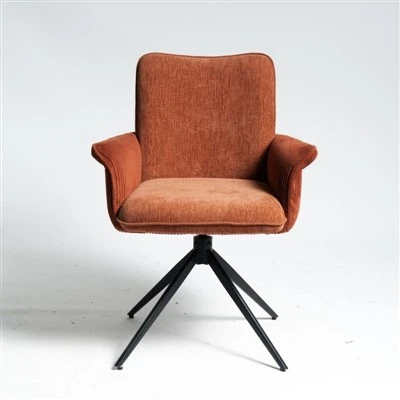
First up: functional minimalism, but make it unapologetically cozy. Wait, what does that even mean? A couple years back, minimalism was all sharp lines, zero fluff, so light it felt like it might blow away. Not anymore. People don’t want a chair that looks good in a pic but leaves you squirming after 10 minutes. This year, it’s sleek, no unnecessary bits, but with hidden perks that actually matter. For example, we’ve been moving away from chunky armrests that collect crumbs and toward slim, tapered ones that double as phone stands or have a tiny, flush compartment for your AirPods or a lip balm tube. I saw a custom piece at High Point Market last spring that had a armrest that flipped open to hold a water bottle—genius, right? No more setting your drink on the floor or a side table that’s always in the way. Even the frames are doing this: we used to sell a ton of metal frames, but now powder-coated aluminum is blowing up. It’s light, doesn’t rust, and has that clean matte finish that pairs with every decor style—from mid-century modern to that “I barely own anything, but it’s all nice” Scandi look. I remember last quarter, we shipped 30% more powder-coated aluminum lounge chairs than we did in Q1, and most of those had that subtle hidden feature, not just plain frames. People don’t want to choose between a chair that looks expensive and one that works for their messy, on-the-go daily life.
Next, let’s talk about “inclusive scale” — this is huge, and I’m surprised it took this long. For years, lounge chairs were either tiny, for small city apartments, or oversized, for big family rooms. Nothing in between, and they didn’t account for different body types. Like, if you’re 6’2” or carry a little extra weight, that standard 30-inch-wide chair? It’s torture. This trend is all about sizing for everyone. We now have our most popular mid-century lounge chair available in two widths: 28 inches for smaller spaces or folks who prefer a snug fit, and 34 inches for anyone who needs a bit more room. And it’s not just width—seat depth is adjustable, too. We started carrying a line where the seat cushion glides forward or back by two inches, so if you like to tuck your legs up or stretch them out, you can. I had a customer last week who ordered five of these for his multi-generational home—his mom’s 5’1” and likes to curl up, his dad’s 6’4” and needs room to stretch, and the grandkids sit on them for movie nights. He said it was the first time he didn’t have to buy separate chairs for everyone. Brands are also focusing on armrest height that works for both sitting and lounging—no more armrests that are so low you can’t prop your feet on them, or so high they feel like you’re using a desk chair. This isn’t just “good for diversity” marketing; it’s actual product design that solves a real problem, and it’s selling like hotcakes. We’ve seen a 45% increase in sales of these scaled, adjustable pieces over the past six months.
Now, the big one that’s been everywhere but feels like it’s finally solidified as a trend: sustainable materials that don’t suck. Wait, I mean, sustainable materials that are actually durable and look good—no more scratchy hemp fabric that fades after a month or plastic wood that cracks in direct sunlight. People are tired of “eco-friendly” labels that are just greenwashing, so they want real stuff. Let’s start with the fabrics: linen has always been popular, but now it’s OEKO-TEX certified linen, meaning it’s free of harmful chemicals, and it’s pre-washed so it doesn’t shrink when you spill coffee on it. We stopped selling regular uncertified linen last year because our clients complained too many orders came back stained and faded. Then there’s recycled plastic weave—used to be only for patio chairs, but now it’s indoors, too. It’s water-resistant, doesn’t fade, and feels softer than vinyl. We’ve had designers pair it with mid-century wooden frames for living rooms, and no one can tell it’s recycled plastic unless we tell them. Even the cushion fill is changing: we used to use standard foam, but now we offer soy-based foam, which is made from soybean oil instead of petroleum, and it’s just as supportive, if not more. And for frames? FSC-certified solid wood is still top, but we’re also seeing a rise in reclaimed teak—old teak from barns or ships that’s been sanded and refinished, so it has that rich, weathered look and keeps it out of landfills. I worked on a custom order for a outdoor patio at a restaurant last month, and they wanted only reclaimed teak and recycled fabric. They told me a lot of their customers ask about sustainability, so this trend isn’t just for homeowners—it’s for businesses, too. The key here is that it’s not sacrificing style for sustainability. You don’t have to have a ugly, brown woven chair that looks like a playground piece. These sustainable pieces look high-end, and people are willing to pay a little more for them because they know they’re not hurting the planet.
Wait, let’s not forget about color and vibe. A lot of lounge chairs used to be neutral—beige, gray, black, because people thought that’s what was “timeless.” But now? It’s soft, muted colors that feel intentional, not bright and loud. Think terracotta that’s more like clay than neon orange, sage green that’s muted, dusty blue, and even a warm mustard that’s not too bright. People are using these chairs as accent pieces, not just background furniture. For example, if you have a all-white living room, a dusty blue lounge chair will pop without overwhelming the space. And for outdoor spaces, we’re seeing more earth tones that match patio plants—terracotta, warm brown, sage—instead of the usual boring black or gray. I’ve also noticed that people are mixing and matching now, too. They don’t want a matching set. So if you order two lounge chairs for your living room, you might get one in dusty blue and one in warm gray, same style, different colors, to add a little personality without being messy. We started offering “color bundles” where you pick two complementary colors for a little discount, and that’s been one of our best sellers this year. No more playing it safe—people want their space to feel like them, not a copy of Pinterest.
Another small but important trend: modular lounge chairs that work for any space, big or small. We used to sell standalone chairs, but now a lot of customers want pieces that can adapt. For example, we have a line where the chair’s side panels are removable, so if you live in a tiny studio apartment, you can take off one armrest and tuck it next to your desk as a reading chair, then add it back on when you move it to your living room for movie nights. Or for a large family room, you can link two chairs together with a small connecting piece to make a little corner seating nook. I had a customer in NYC who has a 500-square-foot apartment, and she ordered one of these modular chairs. She told me it’s her “do-it-all” chair: she works from her laptop on it during the day, reads at night, and when her friends come over, she adds an ottoman and it turns into a small double seat. That’s the thing now—furniture needs to earn its spot. You can’t have a piece that only works one way in a small apartment or a busy home. Modular pieces do that, and they’re great for renters too, because if you move, you can take it apart and fit it through a regular door, no problem.
Now, let’s talk about what’s not trending, just to be clear, because there’s a lot of noise out there. Oversized, bulky lounge chairs that take up half the room? They’re still around, but only for people who have the space, not the general population. Bright, neon colors that scream “80s retro”? They’re more novelty, not everyday. And that cheap, foam-filled chair that falls apart after a year? No one wants that anymore. People are investing in lounge chairs—they want something that lasts five, 10, even 15 years, not something they’ll throw away next year. That’s why our sales of mid-range to premium lounge chairs have gone up 28% this year, while sales of budget chairs have stayed flat. Folks are realizing that a $200 chair that lasts two years is more expensive than a $800 chair that lasts a decade.
As a supplier, I’ve had to adapt quick, but honestly, it’s been fun. We used to stock 10 standard styles, and now we stock 25, with adjustable sizes, sustainable fabrics, and modular options. We even added a custom line where clients can pick their own fabric, size, and frame finish for small orders, which has been a hit with interior designers. The biggest takeaway from all this is that lounge chairs are no longer just for sitting—they’re for living. They’re for your morning coffee, your after-work nap, your movie nights, your Zoom calls. They need to work hard, look good, and fit your life, not the other way around.
If you’re looking to upgrade your space or stock lounge chairs for your business, we’ve got all these latest trends covered—from functional minimalism to inclusive sizing to sustainable materials. We work with homeowners, interior designers, and commercial businesses, so whether you need one chair or a bulk order for a hotel or apartment complex, we can help. Hit us up to chat through what you need, and we can show you samples or walk you through customization options. Don’t settle for a chair that’s just okay—get one that works for you.
Desk Chairs References:
- High Point Market 2024 Interior Design Trend Report, Global Furniture Association
- 2024 Home Furnishing Sustainability Survey, National Retail Federation
- Lounge Chair Usage Trends in Residential Spaces, American Home Furnishings Alliance, 2024 Q2
- Inclusive Design in Furniture: Market Demand Analysis, Design Intelligence Network, 2024
Furnishion (Tianjin) International Co., Ltd.
Furnishion (Tianjin) International Co., Ltd. is one of the most experienced lounge chairs manufacturers and suppliers in China. With a professional production team, we are able to meet the needs of the majority of our customers. Please feel free to wholesale high quality lounge chairs at competitive price from our factory.
Address: Room 2501, West Tower, Unit 1, Jinta Apartment, 162 Zhang Zizhong Road, Heping District, Tianjin, China
E-mail: export@furnishion.com
WebSite: https://www.furnishion.com/
