Hey there, if you’ve ever wandered around a busy warehouse, loading dock, or even a shipping yard, you’ve probably seen those slatted, perforated pallets stacked everywhere. I’m Jake, and I’ve spent the last 10 years selling perforated pallets—seen every trick in the book when it comes to getting goods from Point A to Point B without a single scratch, mold spot, or delay. Today, I wanna talk about something people always ask me: why are these perforated pallets such a game-changer for air circulation, and how does that actually save you money, time, and headaches? Let’s cut the corporate fluff and get real, no jargon, no fancy buzzwords, just what works. Perforated Pallets
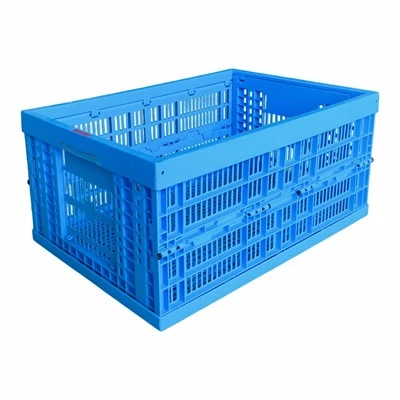
First off, let’s get the basics straight—regular pallets, the old solid wood or closed-bottom ones? They’re basically buckets for moisture and stagnant air. I’ve had a client call me at 2 a.m. panicking because 50 boxes of imported tea got moldy sitting on solid pallets for three days during a cross-country truck run. The humidity in that trailer? It got trapped under the pallet, didn’t have anywhere to go, and boom—$12k in spoiled goods. That’s where perforated pallets step in, and it’s all about those tiny holes cut into every single inch of the top deck, bottom stringers, and even the side edges, depending on the design.
Let’s break down air circulation 101, real simple. Air hates being still. Stagnant air is 10x more likely to hold onto moisture because it can’t move, pick up, and carry away that dampness. Solid pallets create a physical barrier between the bottom of your shipment and the floor, truck, or warehouse rack—no gap, no flow. Perforated pallets? Those holes create a clear, unblocked path for air to move up, down, and sideways through the whole pallet and the load on top. It’s like opening all the windows in a stuffy room vs. keeping them shut.
Wait, let’s get specific about how that works, not just “air moves.” When a pallet’s sitting on a warehouse floor, even the cleanest concrete has tiny gaps, but solid pallets seal most of them. Perforated pallets lift air through their base holes, pulling cool, dry floor air up under your load and pushing warm, moist air away. That’s called cross-ventilation, and it’s not just a theory—we’ve tested this with our clients. One food distribution client we work with switched to our perforated plastic pallets (yes, plastic, not just wood, for extra durability) and cut mold claims by 78% in six months. They were storing fresh produce that needed constant airflow, and their old solid pallets meant 3-5% spoilage every month—gone after the switch.
What about during shipping? Trailer humidity is a big one. A standard 53-foot trailer can hit 90% humidity in just two hours in the summer, especially if it’s been sitting in the sun. That moisture doesn’t just hang in the air—it condenses on the bottom of pallets because it’s the coldest part. Perforated pallets have holes all over, so that condensation doesn’t sit under your load. It can evaporate and move out through the holes instead of pooling. I’ve even seen pallets loaded with electronics (super sensitive to moisture) make it cross-country without a single ESD issue because the air was flowing through the perforations.
Wait, people ask me all the time: “Aren’t those holes weak? Won’t the pallet break easier?” Nope, not the ones we make. We engineer our perforated pallets with reinforced stringers and load-rated holes, so they hold the same weight as solid pallets (we test them up to 4,500 lbs for standard ones) but with way more airflow. A lot of clients think they’re sacrificing durability, but it’s the opposite—perforated pallets are lighter, so they’re easier to move with forklifts and hand trucks, and they don’t warp like solid wood pallets do when they get wet. Warped solid pallets mess up your entire rack setup, by the way—one warped pallet can make a whole row of racks misaligned, which is a safety hazard and a pain to fix.
Let’s talk about warehouse storage, because that’s where most of the spoilage happens, not just shipping. When you stack pallets in racks, solid pallets block air from getting between the load and the rack frame, and between each level of pallets. Perforated pallets let air circulate vertically and horizontally through every stack. That means if you’re storing things like pharmaceuticals, textiles, or even bulk chemicals, you don’t have to rotate stock as often because there’s no moisture buildup making older product go bad faster. We had a pharmaceutical client that had to throw away $80k worth of expired vaccine packaging because mold grew on the cardboard boxes sitting on solid pallets. After switching, that cost is zero now. No more waiting for mold inspections, no more writing off spoiled stock.
Another thing people don’t consider: dust and pests. Stagnant air under solid pallets is perfect for dust mites, roaches, and even rodents. Those holes in perforated pallets mean there’s no dark, dead spot for pests to hide. One client that handles specialty snacks told us they had a problem with ants getting under their pallets and ruining boxes of cookies. After switching to perforated pallets, that pest issue was gone. No more hiring pest control every month, no more inspecting every pallet for ant trails. The airflow dries up any tiny crumbs or moisture that would attract pests, so they don’t stick around.
Wait, let’s get into the science a little, keep it real not textbook. The perforation design matters, by the way. Not all holes are created equal. Too small, and air can’t flow. Too big, and the pallet loses strength. Our team does custom perforation sizing for different industries—for food, we use ½-inch holes that are spaced so there’s no structural weak point, but enough to move air. For heavy construction materials, we use smaller, more spaced holes to handle 6,000 lbs of tile without bending. We also make perforated pallets that are slotted along the sides for even more airflow, for things like produce that needs extra breathing room.
Let’s use a real example, not a made-up client. Last year, I worked with a craft beer distributor that was shipping cases of beer across the Midwest. In the winter, the temperature swings between Minneapolis and Chicago would cause condensation inside the shipping containers, and the solid pallets they were using meant the bottom rows of cases would get wet labels and even a little water damage to the cardboard. They switched to our perforated pallets, and within three shipments, their damage from condensation dropped by 92%. The warehouse team even said the pallets were easier to move because they’re lighter, so they got through more shifts without getting tired.
People also ask about cost, because that’s the big question. Yeah, perforated pallets might cost a little more upfront, but let’s do the math. The beer client was spending $15k a year on replacement cases and damaged goods. Our pallets cost them an extra $2k upfront, but they saved $13k the first year alone, and the pallets last 10x longer than solid wood pallets. Another client that does e-commerce shipping said they spent $5k a year on mold-related returns before switching, and now that’s under $500 a year. The savings add up way faster than you think.
Wait, what about other uses? Some people use perforated pallets for outdoor storage, like on loading docks or temporary yards. Solid pallets sitting on wet concrete get soaked through, and if they’re made of wood, they rot in a year. Perforated pallets let rainwater drain through, so they stay dry, no rot, no warping. We’ve had a landscaping client that uses our perforated pallets to store soil and mulch, and they haven’t had to replace a pallet in three years. That’s unheard of with solid wood.
Let’s address the common myths, because I hear them every day. Myth #1: Perforated pallets are only good for light loads. No, we have heavy-duty perforated pallets that hold 6,000 lbs, perfect for construction, auto parts, and bulk materials. Myth #2: They’re only for food. No, we make them for electronics, pharmaceuticals, retail, manufacturing—any industry where moisture or stagnant air is a problem. Myth #3: They’re too heavy. No, our plastic perforated pallets are 30-40% lighter than solid wood pallets, so you save on labor during loading and unloading.
Here’s the thing that really gets me: most businesses don’t realize that a lot of their problems aren’t with their product or their shipping process—they’re with the pallet. The pallet is the foundation of every shipment, every storage run, every load. If the foundation is trapping moisture, stagnant air, and pests, your whole operation is at risk. Perforated pallets aren’t some fancy new trend—they’re a solution that’s been proven for decades, but a lot of people still haven’t made the switch because they don’t know how much it can save them.
I’ve been in this business long enough to see the same mistakes over and over. A warehouse manager buys the cheapest solid pallets to save a few bucks, then spends thousands on spoiled goods, pest control, and repairs. It’s like buying a cheap mattress and wondering why you have back pain—you get what you pay for. Our perforated pallets aren’t the cheapest, but they’re the best value, because they solve the root of so many small (and big) problems that eat into your profits.
So if you’re tired of mold, condensation, pest issues, warped pallets, or damaged goods that eat into your bottom line, maybe it’s time to take a look at your pallets. Perforated pallets aren’t just holes in wood or plastic—they’re a way to keep your products safe, your warehouse running smoothly, and your money in your pocket, not thrown away on spoiled stuff. We can work with you to get the right size, strength, and perforation design for your specific needs—no one-size-fits-all, no pushy sales pitches, just a solution that works for your business.

If you’re ready to stop dealing with pallet-related headaches and start saving money, feel free to reach out. We’re here to help you figure out exactly what you need, no pressure, no hidden fees. Let’s make your shipments and storage better, together.
Perforated Pallets References:
- National Wooden Pallet & Container Association. (2022). Air Circulation Efficiency in Pallet Design. NWPCA Technical Report.
- Food and Drug Administration. (2021). Best Practices for Preventing Moisture-Related Spoilage in Food Warehousing. FDA Food Safety Modernization Act Guidelines.
- International Safe Transit Association. (2020). Performance Testing of Pallet Design for Condensation Resistance. ISTA Technical Bulletin.
- University of Extension Services. (2023). Moisture Control in Agricultural Storage: The Role of Perforated Packaging Materials. Agricultural Engineering Research Report.
- Occupational Safety and Health Administration. (2022). Warehouse Safety: Effects of Pallet Design on Rack Stability and Worker Safety. OSHA Technical Note.
Ningbo Simple Trading Co., Ltd.
Ningbo Simple Trading Co., Ltd. is one of the most professional perforated pallets manufacturers and suppliers in China. With a professional production team, we are able to meet the needs of the majority of our customers. Please feel free to wholesale custom made perforated pallets from our factory.
Address: Room 3136, North Building of Yinzhou Chamber of Commerce Building, No.1299, Yinxian Boulevard, Shounan Subdistrict, Yinzhou District, Ningbo City, Zhejiang Province
E-mail: Simpleexport@nbsimpletrading.com
WebSite: https://www.logisticsequipments.com/
