In the highly competitive and ever – evolving automotive industry, automotive relays play a crucial role in the proper functioning of various electrical systems within vehicles. As a professional automotive relay production line supplier, I am often asked about the production capacity of an average automotive relay production line. In this blog, I will delve into this topic, exploring the factors that influence production capacity and providing an in – depth analysis of what can be expected. Automotive Relay Production Line
Understanding Automotive Relay Production Lines
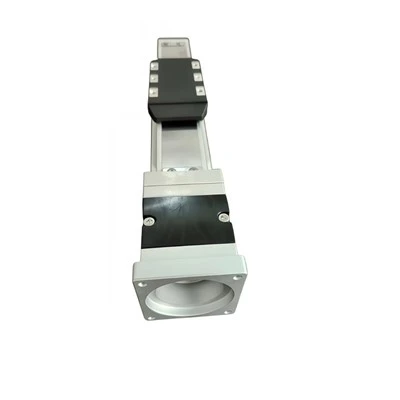
Before discussing production capacity, it’s important to understand what an automotive relay production line entails. An automotive relay production line is a specialized manufacturing setup designed to assemble, test, and package automotive relays efficiently. These lines typically consist of multiple stations, each performing a specific task, such as component insertion, soldering, encapsulation, and final testing. The production line is usually automated to a large extent, with the use of robotics and conveyor systems to move parts from one station to the next in a sequential manner.
Factors Influencing Production Capacity
The production capacity of an average automotive relay production line is not a fixed number; it is influenced by a multitude of factors.
1. Technology and Automation Level
The level of technology and automation integrated into the production line is a significant determinant of its capacity. Highly automated production lines equipped with state – of – the – art robotics can perform tasks much faster and with greater precision than manual or semi – automated lines. For example, a fully automated component insertion machine can place dozens of components onto a relay board within seconds, while a manual process would take significantly longer. Advanced automation also reduces the likelihood of human error, leading to higher quality products and fewer production delays.
2. Product Complexity
The complexity of the automotive relays being produced also has a direct impact on production capacity. Relays with more components, intricate circuit designs, or special features require more time and resources to manufacture. For instance, a high – power relay used in heavy – duty vehicles may have more complex internal structures and require additional insulation and heat – dissipation measures. As a result, the production line may need to slow down to ensure proper assembly and testing of these components, reducing the overall production capacity.
3. Production Line Layout and Design
The layout and design of the production line can either enhance or impede production capacity. A well – designed production line will have a logical flow of materials and components, minimizing the distance that parts need to travel between stations. This reduces the time spent on material handling and improves the overall efficiency of the production process. For example, a U – shaped production line design can often provide better access to all stations for operators and maintenance personnel, leading to faster setup times and less downtime.
4. Maintenance and Downtime
Regular maintenance is essential for the smooth operation of an automotive relay production line. However, maintenance activities can also cause downtime, which reduces production capacity. Well – planned maintenance schedules and the availability of spare parts can help minimize downtime. Additionally, the use of predictive maintenance techniques, such as monitoring equipment performance and analyzing data to predict potential failures, can allow for proactive maintenance, further reducing unplanned downtime and increasing overall production capacity.
5. Labor Skills and Training
The skills and training of the labor force operating the production line are critical. Skilled operators are more efficient at handling tasks, troubleshooting problems, and making adjustments to the production process when necessary. A well – trained workforce can also quickly adapt to changes in production requirements or new product designs. On the other hand, a lack of proper training can lead to slower production speeds, more errors, and increased downtime, all of which negatively impact production capacity.
Estimating the Production Capacity of an Average Automotive Relay Production Line
Based on industry experience and research, an average automotive relay production line can produce anywhere from 20,000 to 80,000 relays per day. However, this is a very broad range, and the actual production capacity can vary significantly depending on the factors mentioned above.
For a relatively simple automotive relay with a moderately automated production line, a production capacity of around 30,000 – 40,000 relays per day is achievable. This type of relay is typically used in common electrical systems within vehicles, such as power windows or lighting controls. The production process for these relays is relatively straightforward, with fewer components and less complex assembly requirements.
On the other hand, a more complex and high – end automotive relay, such as those used in advanced driver – assistance systems (ADAS) or electric vehicle powertrain control, may have a production capacity of 10,000 – 20,000 relays per day. These relays often require more precise manufacturing processes, additional testing, and compliance with strict safety and performance standards.
In some cases, with a highly automated and optimized production line, it is possible to achieve a production capacity of up to 80,000 relays per day or even higher. This usually requires a large – scale production facility, significant investment in technology, and a well – trained workforce.
Meeting the Demands of the Automotive Industry
As the automotive industry continues to grow and evolve, the demand for high – quality automotive relays is also increasing. To meet these demands, automotive relay production line suppliers need to continuously innovate and improve their production technologies.
By investing in research and development, suppliers can develop more advanced production lines that are capable of higher production capacities and better quality control. Additionally, collaboration with automotive manufacturers can help suppliers understand the specific requirements of the market and develop customized production solutions.
Why Choose Our Automotive Relay Production Lines
As a leading automotive relay production line supplier, we are committed to providing our customers with the best – in – class production solutions. Our production lines are designed with the latest technology and automation, ensuring high production capacity, reliability, and product quality.
We understand that every customer has unique requirements, and we offer customized production line designs to meet these specific needs. Whether you are a small – scale manufacturer looking to increase your production efficiency or a large – scale enterprise in need of a high – volume production solution, our team of experts can work with you to develop the perfect production line.
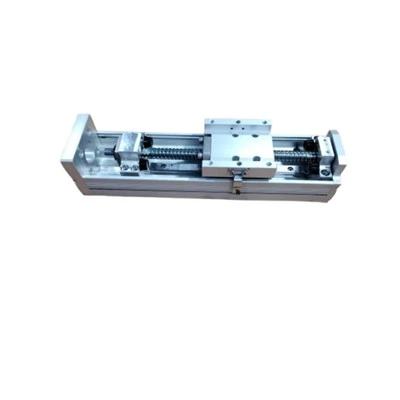
In addition to our high – quality production lines, we also provide comprehensive after – sales service, including installation, training, maintenance, and technical support. Our goal is to ensure that your production line operates at peak performance, minimizing downtime and maximizing your return on investment.
Time to Take the Next Step
Manipulator If you are in the market for an automotive relay production line and are looking for a reliable supplier, we invite you to reach out to us. Our team of sales and technical experts is ready to discuss your requirements and provide you with detailed information about our products and services. Whether you need assistance in choosing the right production line for your specific application or have questions about production capacity, we are here to help. Contact us today to start a discussion about how our automotive relay production lines can help you achieve your manufacturing goals.
References
- Smith, J. (2020). "Automotive Relay Manufacturing Trends". Journal of Automotive Technology, 15(2), 34 – 42.
- Johnson, A. (2019). "Optimizing Production Capacity in Automotive Component Manufacturing". Manufacturing Management Review, 22(4), 55 – 66.
- Brown, R. (2021). "The Impact of Automation on Automotive Relay Production". Automotive Engineering Journal, 30(3), 77 – 85.
Yangning (Xiamen) Intelligent Technology Co., Ltd.
With abundant experience, we are one of the most professional automotive relay production line manufacturers in China. As we have world-leading production equipment and strong manufacturing capabilities, we warmly welcome you to buy bulk advanced automotive relay production line from our factory. Customized orders are welcome.
Address: Room 307-2, No. 15 Duiying Road, Software Park Phase III, Torch Hi-Tech Zone, Xiamen, Fujian, China
E-mail: mia@ynautos.com
WebSite: https://www.ynautos.com/
