Selecting the right circuit breaker for a lighting load is a crucial task that requires careful consideration of various factors. As a circuit breaker supplier, I understand the importance of providing accurate and detailed information to help you make an informed decision. In this blog post, I will guide you through the process of selecting a circuit breaker for a lighting load, covering everything from understanding the basics of circuit breakers to the specific considerations for lighting applications. Circuit Breakers
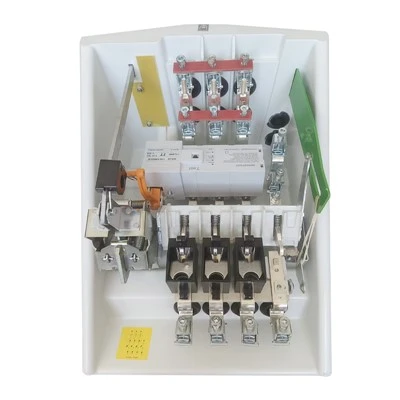
Understanding Circuit Breakers
Before delving into the selection process, it’s essential to understand what a circuit breaker is and how it works. A circuit breaker is an electrical safety device designed to protect an electrical circuit from damage caused by overcurrent, such as an overload or a short circuit. When an overcurrent condition occurs, the circuit breaker automatically interrupts the flow of electricity, preventing damage to the wiring, appliances, and other electrical components.
There are several types of circuit breakers available on the market, each with its own unique features and applications. The most common types include thermal-magnetic circuit breakers, which use a combination of thermal and magnetic elements to trip the breaker, and electronic circuit breakers, which use solid-state components to detect and interrupt overcurrents.
Factors to Consider When Selecting a Circuit Breaker for a Lighting Load
Load Current
The first and most important factor to consider when selecting a circuit breaker for a lighting load is the load current. The load current is the amount of current that the lighting fixtures will draw when they are operating. To determine the load current, you need to know the wattage of each lighting fixture and the voltage of the electrical system.
The formula for calculating the load current is:
[I=\frac{P}{V}]
Where:
- (I) is the load current in amperes (A)
- (P) is the total wattage of the lighting fixtures in watts (W)
- (V) is the voltage of the electrical system in volts (V)
For example, if you have ten 100-watt light bulbs connected to a 120-volt electrical system, the total wattage of the lighting fixtures is (10\times100 = 1000) watts. Using the formula above, the load current is:
[I=\frac{1000}{120}\approx8.33\ A]
Once you have calculated the load current, you need to select a circuit breaker with a rated current that is slightly higher than the load current. This will ensure that the circuit breaker can handle the normal operating current of the lighting fixtures without tripping.
Voltage Rating
The voltage rating of the circuit breaker must match the voltage of the electrical system. Using a circuit breaker with a voltage rating that is too low can cause the breaker to fail or damage the electrical equipment. Conversely, using a circuit breaker with a voltage rating that is too high can be expensive and may not provide adequate protection.
Most residential lighting circuits operate at 120 volts, while commercial and industrial lighting circuits may operate at 277 volts or higher. Make sure to select a circuit breaker with a voltage rating that is appropriate for your electrical system.
Trip Curve
The trip curve of a circuit breaker is a graph that shows the relationship between the current flowing through the breaker and the time it takes for the breaker to trip. Different types of loads require different trip curves to ensure proper protection.
For lighting loads, a circuit breaker with a slow trip curve is typically recommended. This is because lighting fixtures do not draw a large amount of current when they are first turned on, but they may draw a slightly higher current for a short period of time as the bulbs warm up. A slow trip curve allows the circuit breaker to tolerate these brief current surges without tripping.
Number of Poles
The number of poles in a circuit breaker refers to the number of separate electrical circuits that the breaker can control. For lighting loads, a single-pole circuit breaker is usually sufficient, as most lighting circuits are single-phase circuits. However, if you have a three-phase lighting system, you will need to use a three-pole circuit breaker.
Environmental Conditions
The environmental conditions in which the circuit breaker will be installed also need to be considered. For example, if the circuit breaker will be installed in a潮湿environment, you will need to select a breaker that is rated for wet or damp locations. Similarly, if the circuit breaker will be installed in a high-temperature environment, you will need to select a breaker that is rated for high temperatures.
Specific Considerations for Different Types of Lighting Fixtures
Incandescent Lighting
Incandescent lighting fixtures are the traditional type of light bulbs that use a filament to produce light. These fixtures draw a relatively low current when they are operating, but they may draw a large amount of current for a short period of time when they are first turned on. This is known as the inrush current.
When selecting a circuit breaker for incandescent lighting fixtures, you need to consider the inrush current. A circuit breaker with a slow trip curve can help to tolerate the inrush current without tripping.
Fluorescent Lighting
Fluorescent lighting fixtures use a gas-filled tube to produce light. These fixtures draw a relatively stable current when they are operating, but they may require a ballast to regulate the current. The ballast can cause a small amount of harmonic distortion in the electrical current, which can affect the performance of the circuit breaker.
When selecting a circuit breaker for fluorescent lighting fixtures, you need to consider the harmonic distortion. A circuit breaker with a high interrupting rating and a low harmonic content can help to ensure proper protection.
LED Lighting
LED lighting fixtures use light-emitting diodes (LEDs) to produce light. These fixtures are very energy-efficient and draw a relatively low current when they are operating. They also do not produce a large amount of inrush current or harmonic distortion.
When selecting a circuit breaker for LED lighting fixtures, you can typically use a standard circuit breaker with a rated current that is slightly higher than the load current.
Conclusion
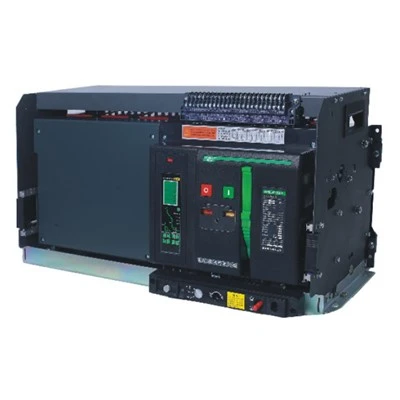
Selecting the right circuit breaker for a lighting load is a critical step in ensuring the safety and reliability of your electrical system. By considering the load current, voltage rating, trip curve, number of poles, and environmental conditions, you can choose a circuit breaker that provides adequate protection for your lighting fixtures.
Circuit Breakers As a circuit breaker supplier, I am committed to providing high-quality circuit breakers that meet the needs of our customers. If you have any questions or need further assistance in selecting a circuit breaker for your lighting load, please feel free to contact me to discuss your procurement needs. I look forward to hearing from you and helping you find the right solution for your electrical system.
References
- National Electrical Code (NEC)
- Electrical Installation Handbook by ABB
- Circuit Breaker Theory and Application by Cooper Bussmann
Wenzhou Lanen Electrical Co., Ltd.
Wenzhou Lanen Electrical Co., Ltd. is one of the most professional circuit breakers manufacturers and suppliers in China, also supports customized service with low price. Please feel free to buy CE approved circuit breakers made in China here from our factory. Contact us for more discount information.
Address: Zhiguang Liushi Town Yueqing City Wenzhou City Zhejiang Province
E-mail: lanen@luyele.cn
WebSite: https://www.lanenelectrical.com/
