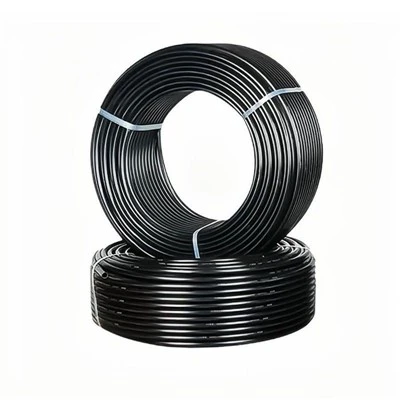
HDPE (High-Density Polyethylene) pipes and fittings have gained significant popularity in various industries, especially in underground installations. As a supplier of HDPE pipes and fittings, I have witnessed firsthand the numerous benefits and considerations associated with their use in underground settings. In this blog, I will explore whether HDPE pipes and fittings are suitable for underground installation, discussing their advantages, potential challenges, and key factors to consider. HDPE Pipes and Fittings
Advantages of HDPE Pipes and Fittings for Underground Installation
Durability and Longevity
One of the primary advantages of HDPE pipes and fittings is their exceptional durability. HDPE is a robust material that can withstand harsh environmental conditions, including soil movement, temperature variations, and chemical exposure. Unlike traditional materials such as steel or concrete, HDPE pipes are resistant to corrosion, rust, and degradation, ensuring a long service life. This durability makes HDPE pipes an ideal choice for underground installations, where they are exposed to a variety of stressors over time.
Flexibility
HDPE pipes are highly flexible, allowing them to conform to the natural contours of the ground without the need for extensive excavation or additional support. This flexibility reduces the risk of pipe breakage due to ground movement or settlement, making HDPE pipes a reliable option for underground applications. Additionally, the flexibility of HDPE pipes simplifies the installation process, reducing labor costs and installation time.
Chemical Resistance
HDPE pipes and fittings are resistant to a wide range of chemicals, including acids, alkalis, and salts. This chemical resistance makes them suitable for use in underground environments where they may come into contact with various substances, such as wastewater, chemicals, or natural soil contaminants. By using HDPE pipes, the risk of chemical corrosion and pipe failure is significantly reduced, ensuring the long-term integrity of the underground pipeline system.
Leak Resistance
HDPE pipes are joined using heat fusion or mechanical joints, which create a seamless and leak-proof connection. This leak resistance is crucial in underground installations, as leaks can lead to water loss, soil erosion, and environmental contamination. The tight sealing properties of HDPE pipes and fittings help to prevent leaks, ensuring the efficient and reliable operation of the underground pipeline system.
Lightweight
HDPE pipes are significantly lighter than traditional materials such as steel or concrete, making them easier to handle and transport. This lightweight nature reduces the labor and equipment requirements for installation, as well as the overall cost of the project. Additionally, the lightweight of HDPE pipes reduces the stress on the surrounding soil, minimizing the risk of ground settlement and pipe damage.
Potential Challenges of HDPE Pipes and Fittings for Underground Installation
UV Degradation
HDPE pipes are susceptible to UV degradation when exposed to sunlight for extended periods. While HDPE pipes are typically installed underground, there may be instances where they are exposed to sunlight during the installation process or in above-ground sections of the pipeline. To mitigate the risk of UV degradation, HDPE pipes are often coated with a UV-resistant layer or buried at a sufficient depth to protect them from sunlight.
Temperature Sensitivity
HDPE pipes have a relatively low melting point compared to other materials, which can make them sensitive to high temperatures. In underground installations, the temperature of the soil can vary depending on the location and climate. Extreme temperatures can cause the HDPE pipes to expand or contract, potentially leading to pipe damage or joint failure. To address this issue, it is important to select HDPE pipes with appropriate temperature ratings and to install them at a sufficient depth to minimize the impact of temperature variations.
Installation Requirements
While HDPE pipes are relatively easy to install, they require specific installation techniques and equipment to ensure a proper and secure connection. Heat fusion, the most common method of joining HDPE pipes, requires specialized equipment and trained personnel to ensure a strong and leak-proof joint. Additionally, proper soil preparation and backfilling are essential to prevent pipe damage and ensure the long-term performance of the underground pipeline system.
Key Factors to Consider for Underground Installation of HDPE Pipes and Fittings
Soil Conditions
The soil conditions at the installation site play a crucial role in the performance of HDPE pipes and fittings. Different soil types have varying levels of stability, moisture content, and chemical composition, which can affect the durability and integrity of the pipes. It is important to conduct a soil analysis before installation to determine the appropriate pipe size, wall thickness, and installation method. Additionally, proper soil preparation, such as compacting the soil and removing any sharp objects or debris, is essential to prevent pipe damage.
Depth of Installation
The depth of installation is another important factor to consider when using HDPE pipes and fittings in underground applications. The depth of the pipe should be sufficient to protect it from external factors such as traffic loads, frost heave, and UV degradation. In general, HDPE pipes should be installed at a depth of at least 12 inches below the ground surface, although this may vary depending on the specific application and local regulations.
Pipe Size and Wall Thickness
The size and wall thickness of the HDPE pipes should be selected based on the specific requirements of the underground installation. Factors such as the flow rate, pressure, and temperature of the fluid being transported, as well as the soil conditions and installation depth, should be considered when determining the appropriate pipe size and wall thickness. It is important to consult with a qualified engineer or supplier to ensure that the pipes are sized correctly for the application.
Jointing Method
The jointing method used to connect HDPE pipes and fittings is critical to the performance and reliability of the underground pipeline system. Heat fusion is the most common method of joining HDPE pipes, as it creates a strong and leak-proof joint. However, other jointing methods, such as mechanical joints or electrofusion, may also be used depending on the specific application and requirements. It is important to follow the manufacturer’s recommendations and guidelines when selecting and installing the jointing method.
Conclusion
In conclusion, HDPE pipes and fittings are well-suited for underground installation due to their durability, flexibility, chemical resistance, leak resistance, and lightweight nature. However, it is important to consider the potential challenges and key factors associated with their use, such as UV degradation, temperature sensitivity, and installation requirements. By carefully evaluating these factors and selecting the appropriate pipes and fittings, as well as following proper installation techniques, HDPE pipes and fittings can provide a reliable and cost-effective solution for underground pipeline systems.
HDPE Pipes and Fittings If you are considering using HDPE pipes and fittings for your underground installation project, I encourage you to contact us to discuss your specific requirements. Our team of experts can provide you with detailed information and guidance on the selection, installation, and maintenance of HDPE pipes and fittings. We are committed to providing high-quality products and excellent customer service to ensure the success of your project.
References
- American Water Works Association (AWWA). (2016). M55: Polyethylene (PE) Pipe: Design and Installation.
- Plastics Pipe Institute (PPI). (2019). PE100+ Association. Guide to the Use of PE100 in Water Supply Systems.
- International Association of Plumbing and Mechanical Officials (IAPMO). (2018). Uniform Plumbing Code.
Shanxi Kaisheng Plastic Co., Ltd.
Shanxi Kaisheng Plastic Co., Ltd. is one of the most professional HDPE pipes and fittings manufacturers and suppliers in China, featured by quality products and good price. Welcome to buy durable HDPE pipes and fittings made in China here and get quotation from our factory. We also accept customized orders.
Address: No. 72, Area S, Gate 1, Haohai Wumart, Fendong Street, Xiaodian District, Taiyuan City, Shanxi Province
E-mail: sxkssj8@163.com
WebSite: https://www.sxksgys.com/
